


Wabi Sabi
The Beauty of Imperfection
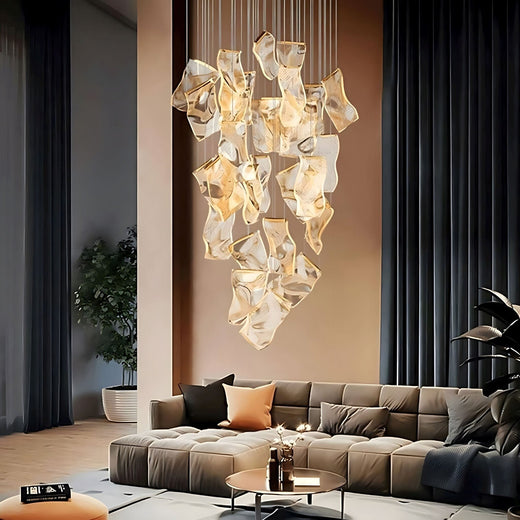
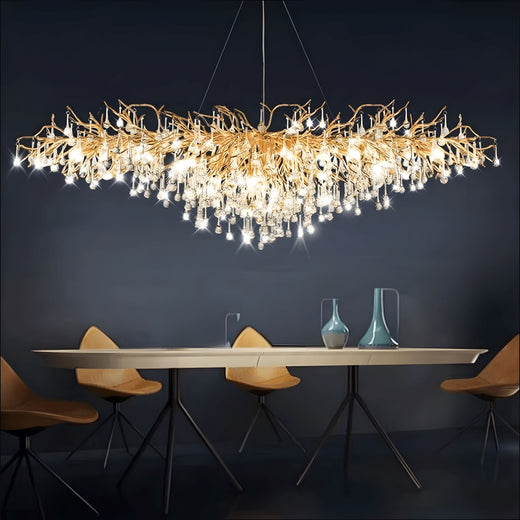
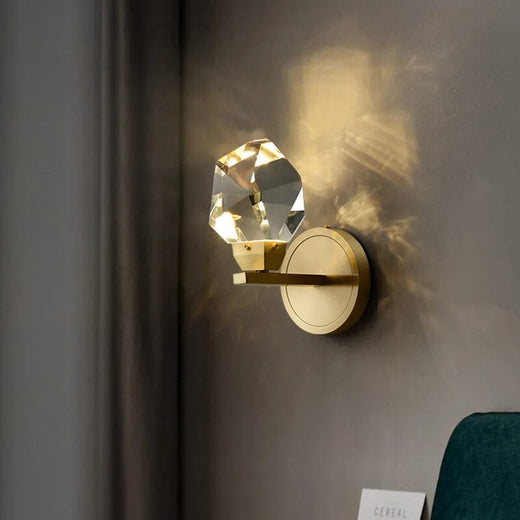
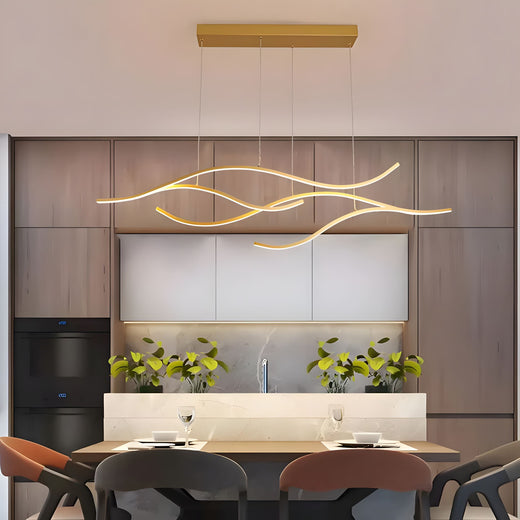
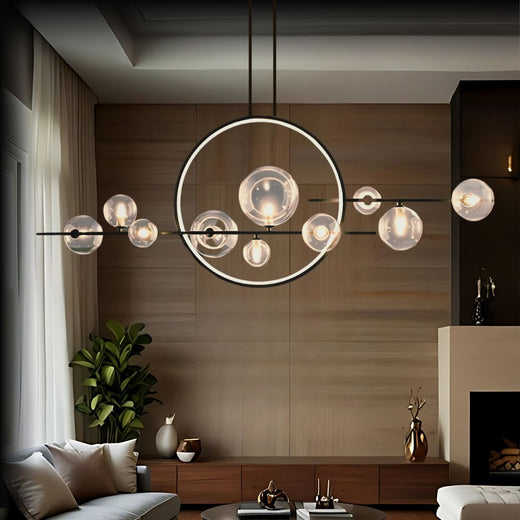
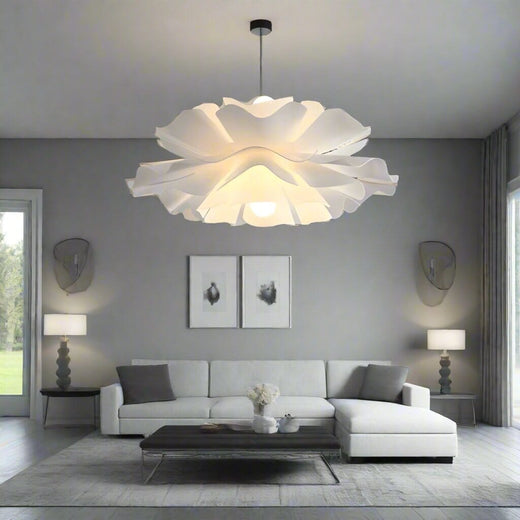
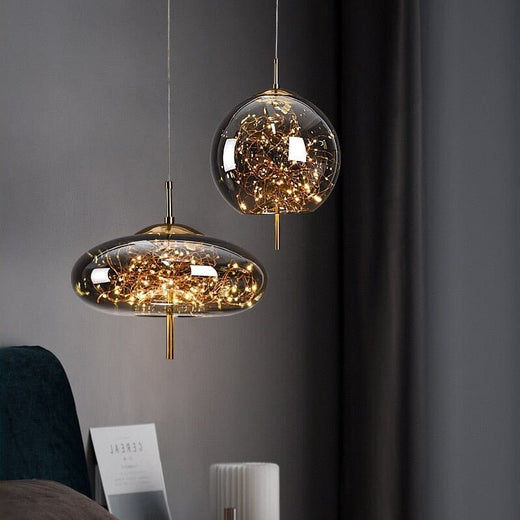
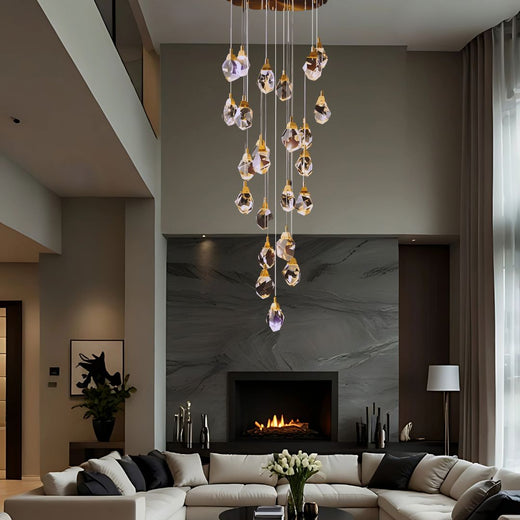
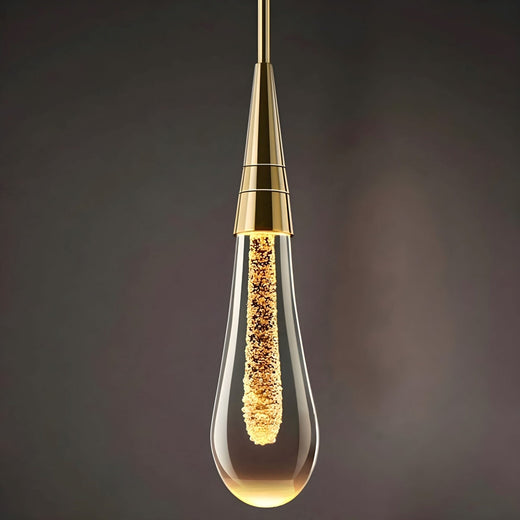
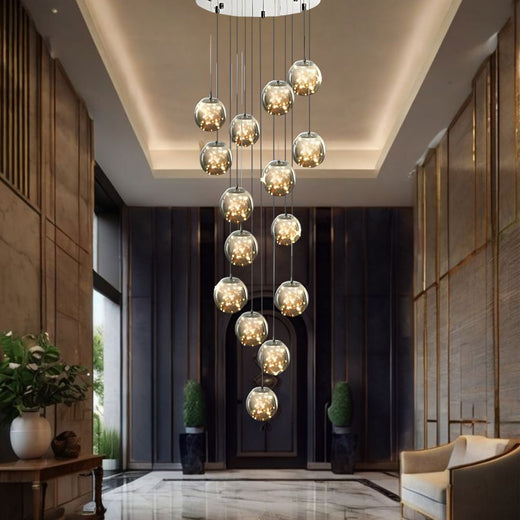
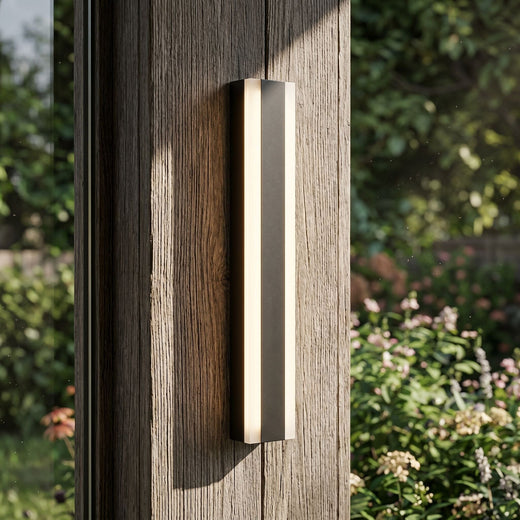
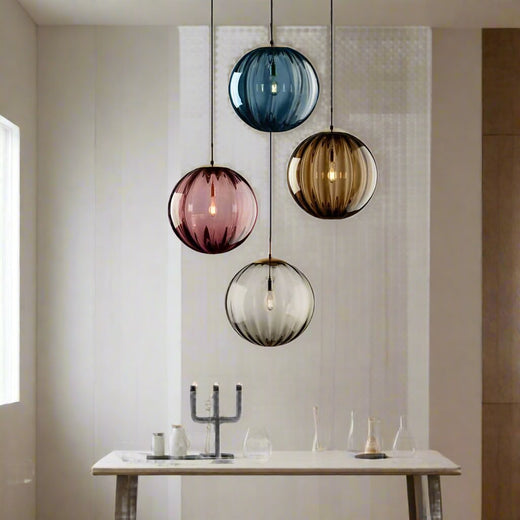
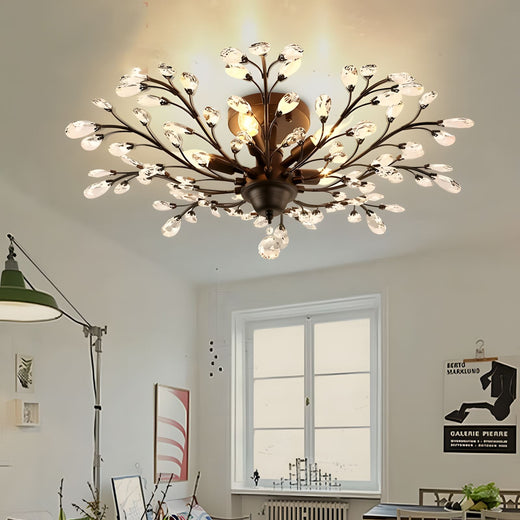
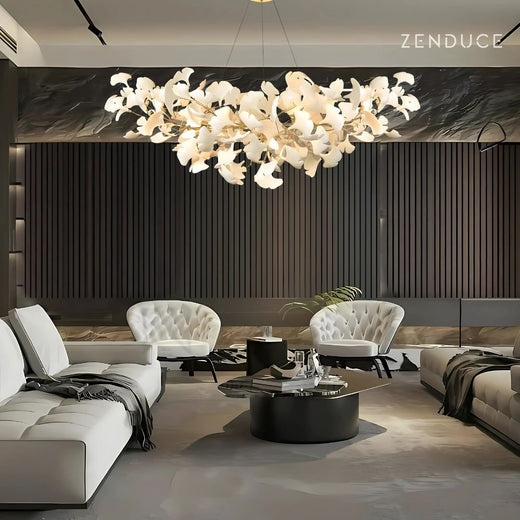
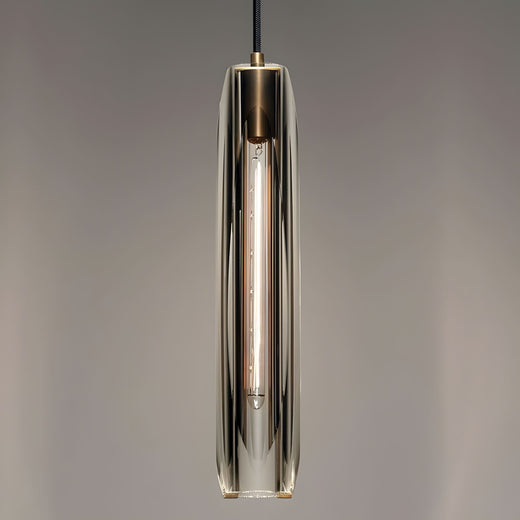
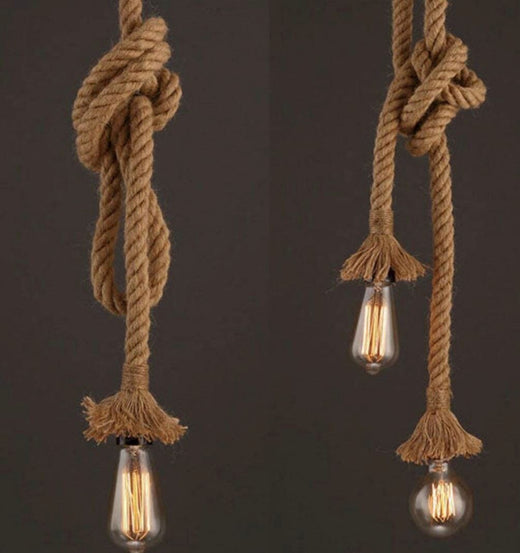
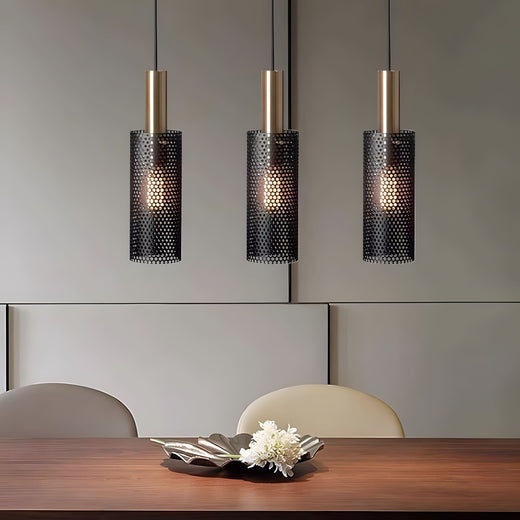
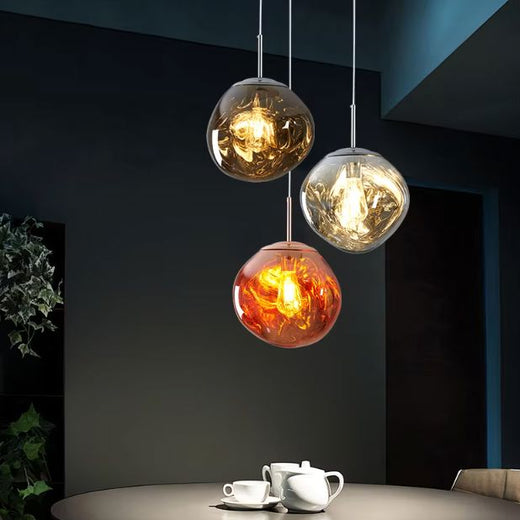
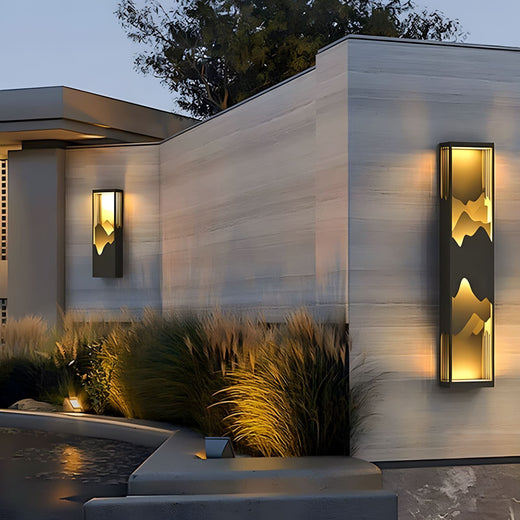
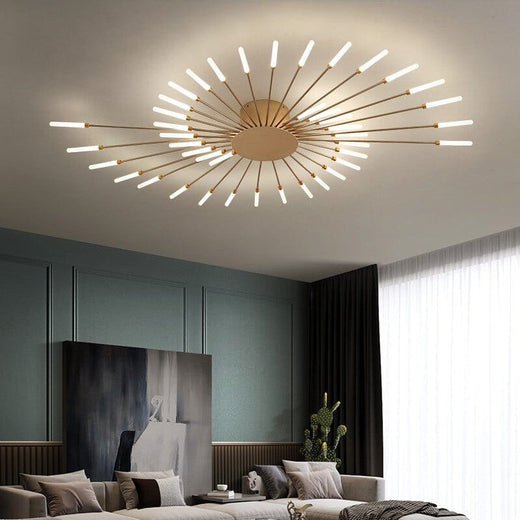
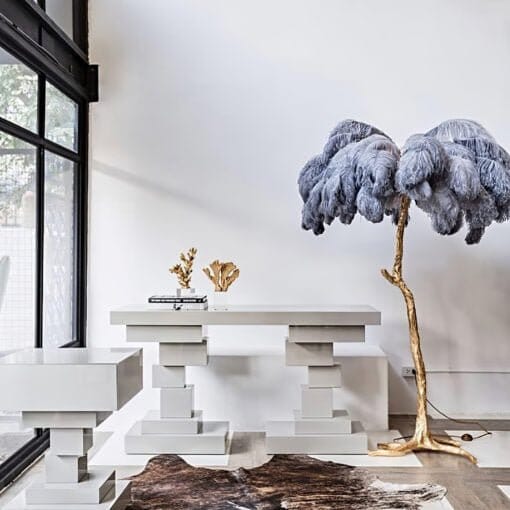
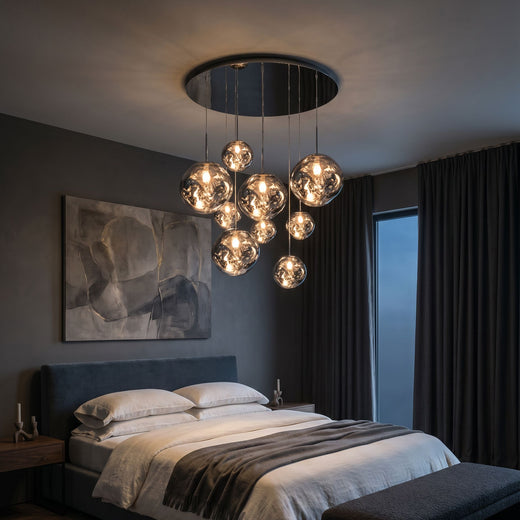
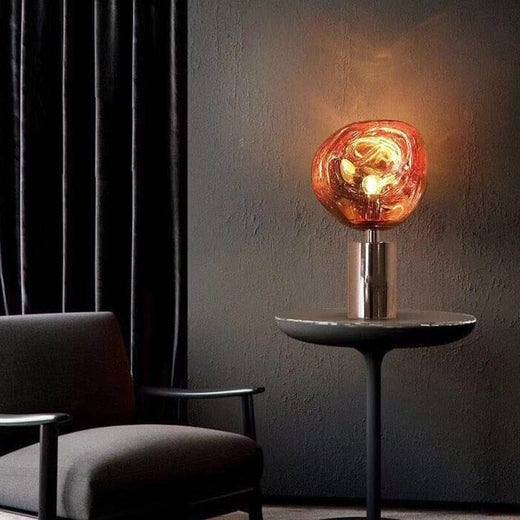
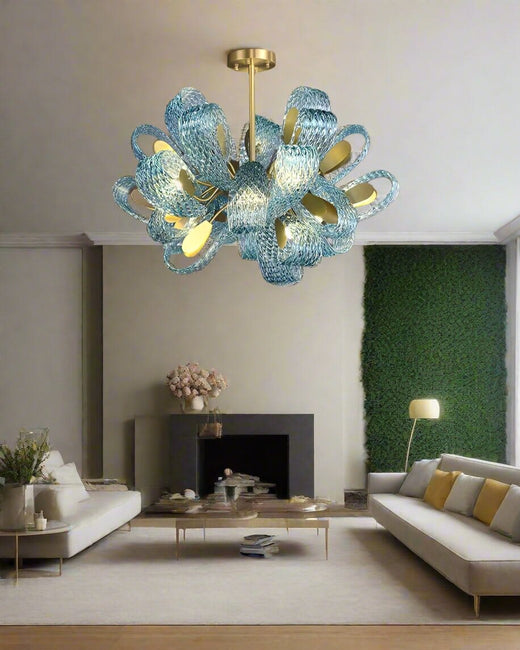
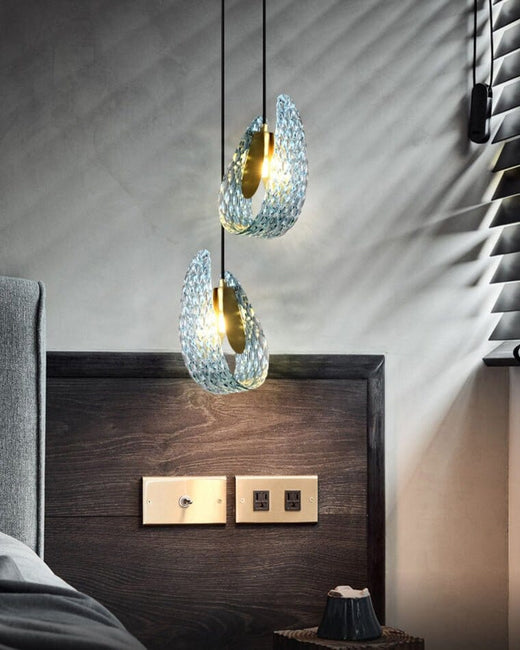
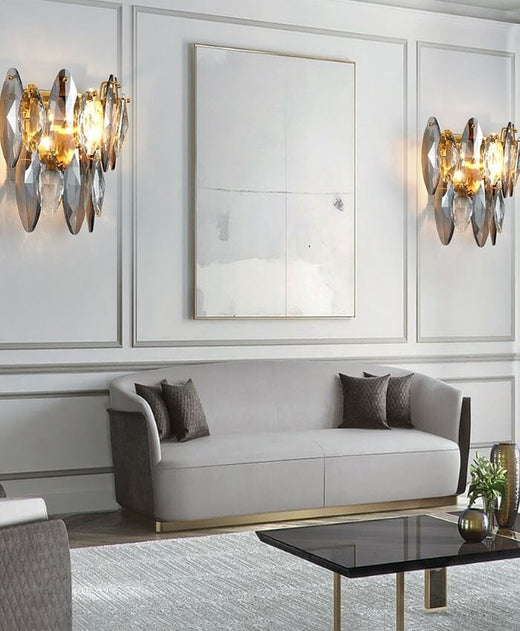
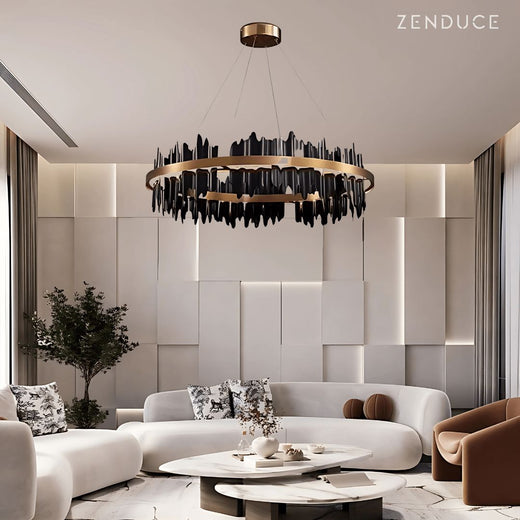
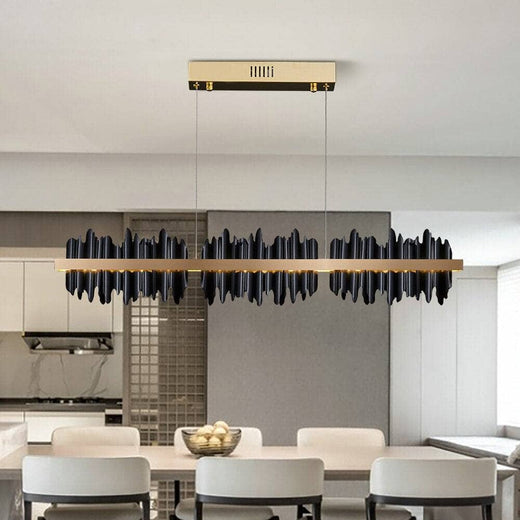
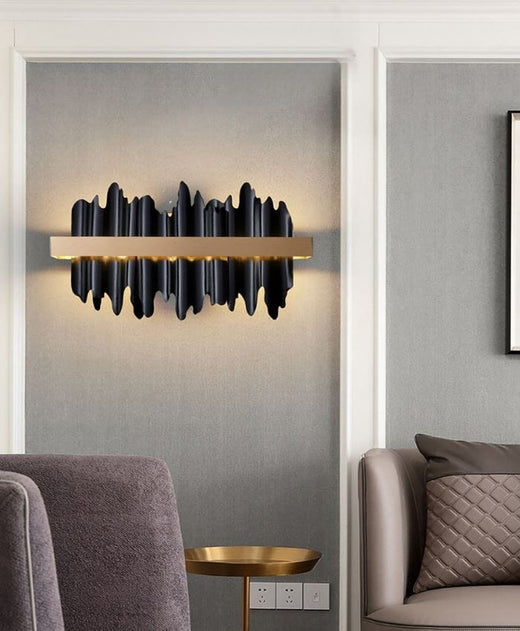
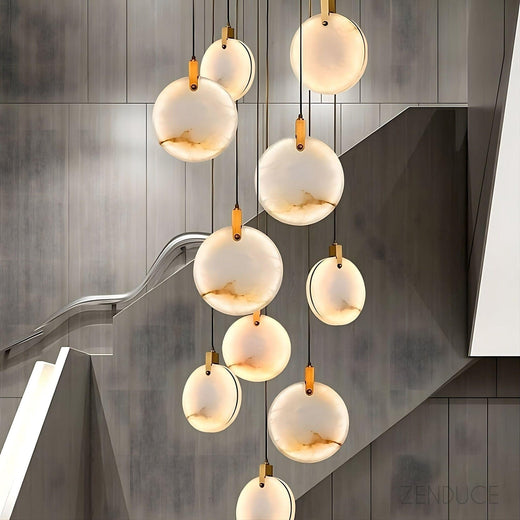
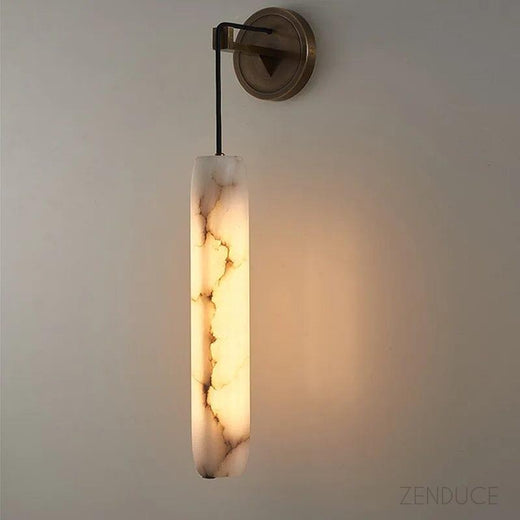
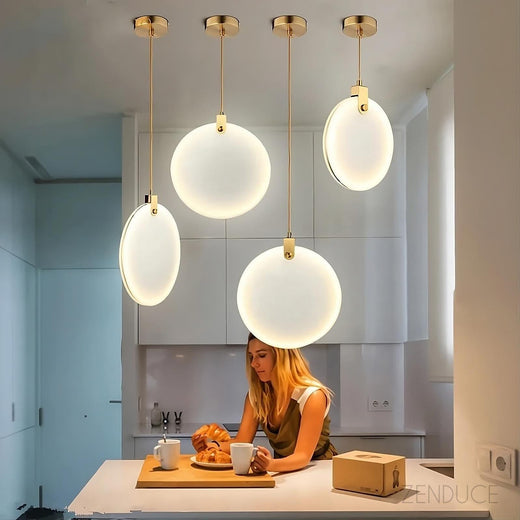
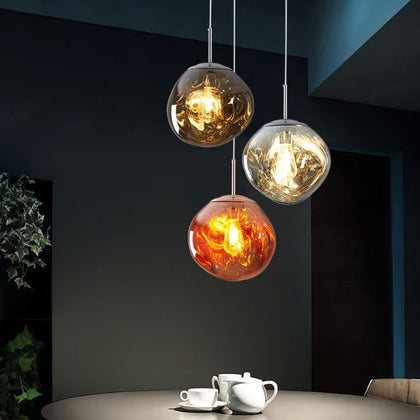
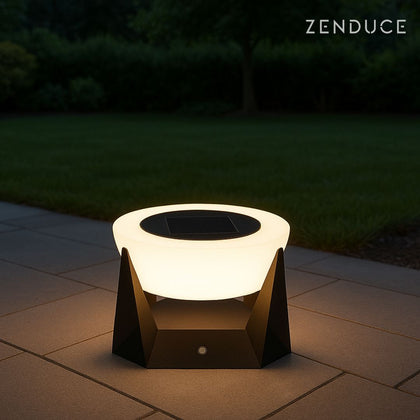
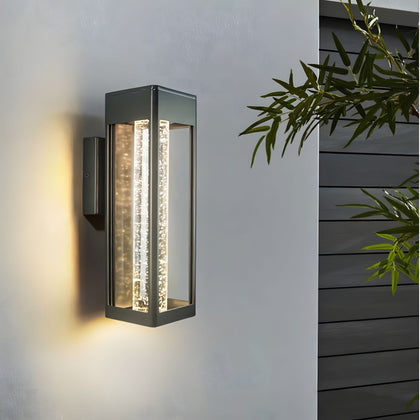
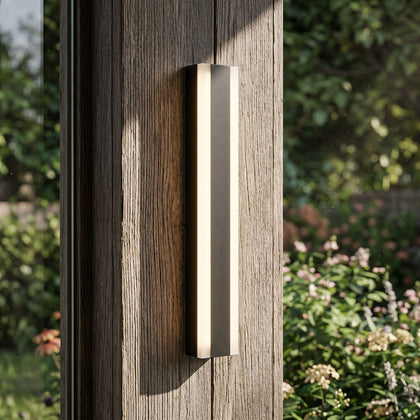
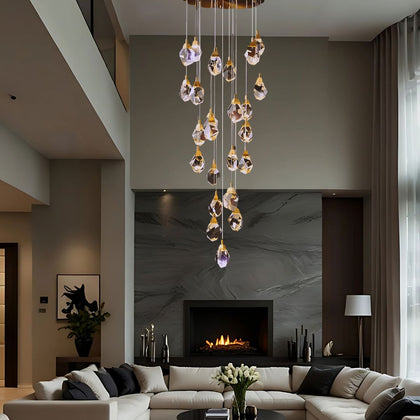
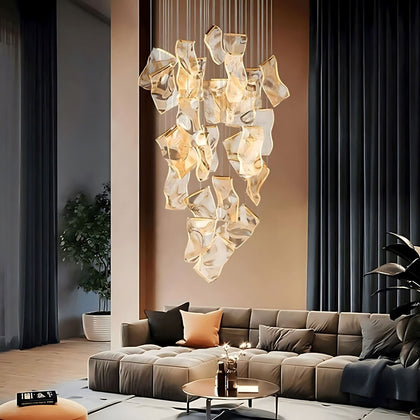
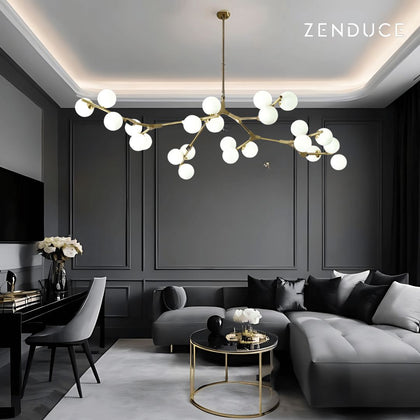
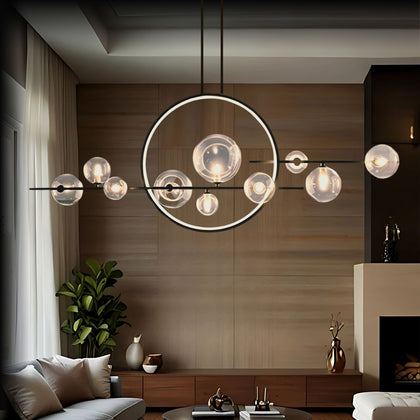
Wabi Sabi is a Japanese aesthetic philosophy that finds beauty in imperfection, impermanence, and natural material. Applied to lighting, it means fixtures with organic forms, visible texture, materials that don't pretend to be anything other than what they are, and an acceptance that variation between pieces is not a defect—it is the point. Our Wabi Sabi collection includes CONUS, inspired by natural shell forms and rendered in clean geometric lines in white or black; and a broader range of organic-form wall lights, pendants, and decorative pieces that feel more found than manufactured. These pieces work in Japandi interiors, earthy and neutral-toned rooms, and anywhere that natural texture is part of the design language.
- Organic forms: Asymmetric, textured, and irregular—no two pieces are identical, and none are trying to be.
- Natural materials: Stone, resin, ceramic, bamboo, and wood dominate the range. Each material ages gracefully and honestly.
- Neutral, earthy palette: Whites, creams, warm greys, and naturals. These are not accent colours—they are the absence of accent, allowing material and form to carry the visual weight.
- Designed to be imperfect: Variation between pieces is expected and celebrated. What you receive will share the character of the photography, not replicate it exactly.
Why Wabi Sabi Belongs in Contemporary Homes
- The counterweight to high-polish: Contemporary interiors that lean heavily on high-gloss finishes, geometric precision, and synthetic materials can feel cold over time. A Wabi Sabi piece—a wall lamp with visible stone texture, a pendant with an organic ceramic shade—introduces the warmth that manufactured precision can't provide.
- Materials that improve with age: A copper fixture patinas. A stone lamp gains character. A ceramic shade develops micro-markings from use. In a Wabi Sabi context, this is not deterioration—it is the piece becoming more itself over time.
- Pairing with Scandinavian and Minimalistic pieces: Wabi Sabi and Scandinavian design share a commitment to honest materials and human-scale proportion. Pieces from both collections coexist naturally in the same interior.
- One piece changes a room: A Wabi Sabi wall sconce in an otherwise clean, contemporary room doesn't overwhelm—it grounds. It's the single detail that keeps a minimal space from feeling sterile.
Wabi Sabi With Other Collections
- A Wabi Sabi wall sconce alongside a minimalistic pendant creates tension between restraint and texture
- A Wabi Sabi table lamp on a console beside a marble lighting piece connects both through natural material language
- In a Scandinavian-influenced interior, Wabi Sabi accessories fit within the material palette without disrupting the overall design
Explore Wabi Sabi
Signature Pieces: CONUS
By Room: Living Room | Bedroom | Office | Dining Room
Related Collections: Scandinavian | Minimalistic | Marble Lighting | Sculptures
Shop: All Wabi Sabi | New Arrivals
How to Style Wabi Sabi Lighting
- Let the material breathe: Don't crowd a Wabi Sabi piece. Give it wall space, shelf space, or floor space around it. The organic form needs room to read.
- Pair with linen, timber, and rattan: Natural textiles and natural furniture materials reinforce the Wabi Sabi language. High-gloss or synthetic furniture directly adjacent tends to work against it.
- Warm white always: Warm white (2700–3000K) is the appropriate colour temperature for Wabi Sabi lighting—cool or clinical light undermines the warmth that natural materials are meant to create.
- Less is more, intentionally: One strong Wabi Sabi piece in a room is a design decision. Six is a theme park. Choose your placement carefully and let the single piece do its work.