














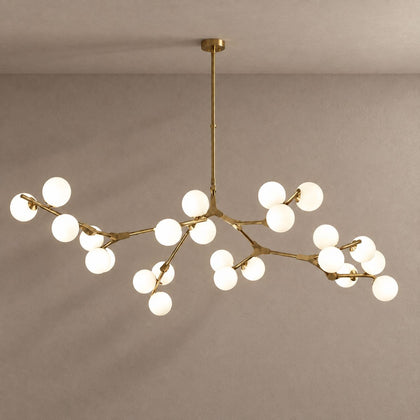

Oriental
The Beauty of Detail, Richness, and Material
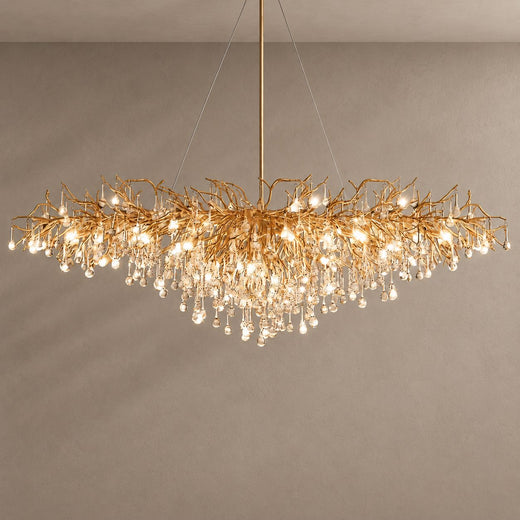
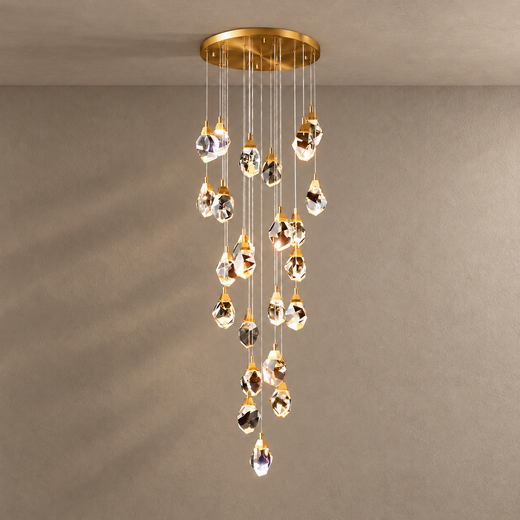
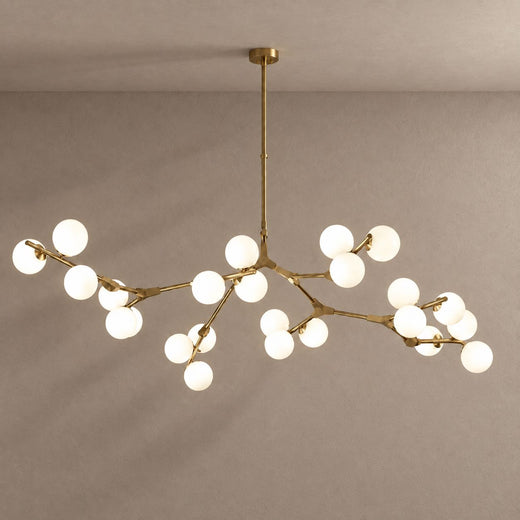
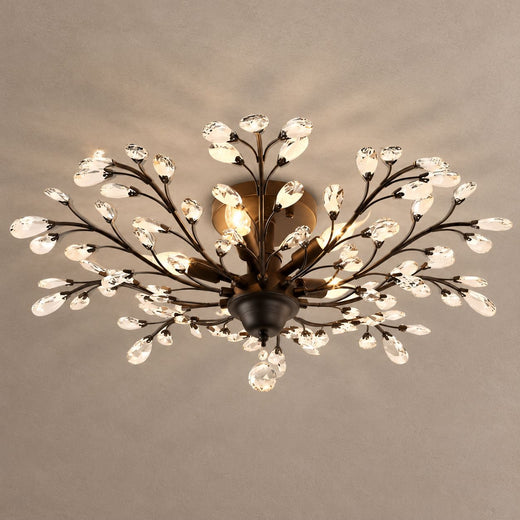
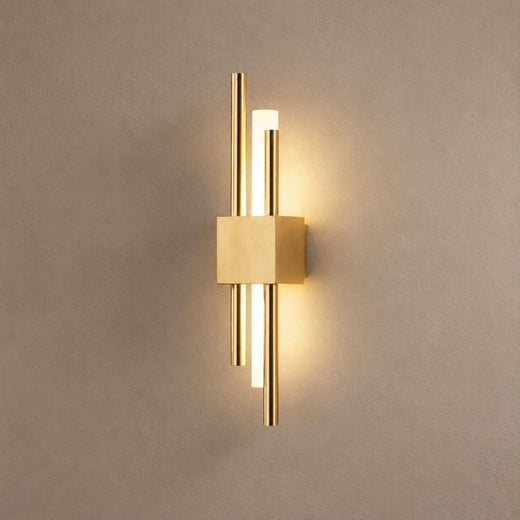
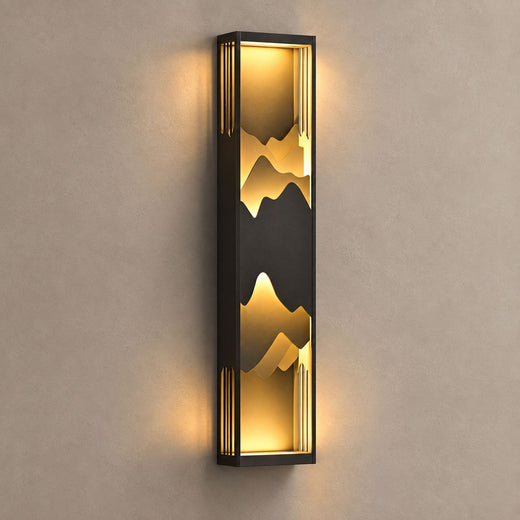
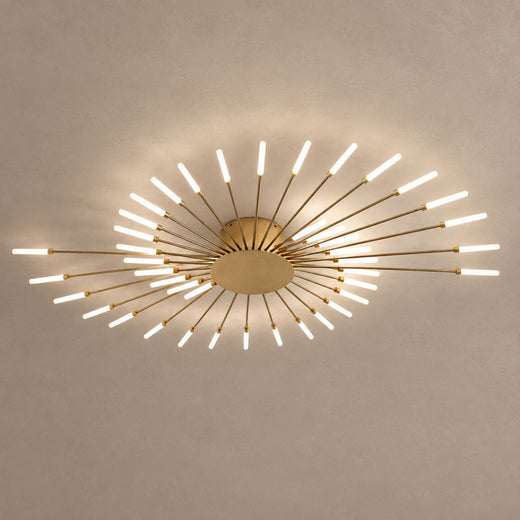
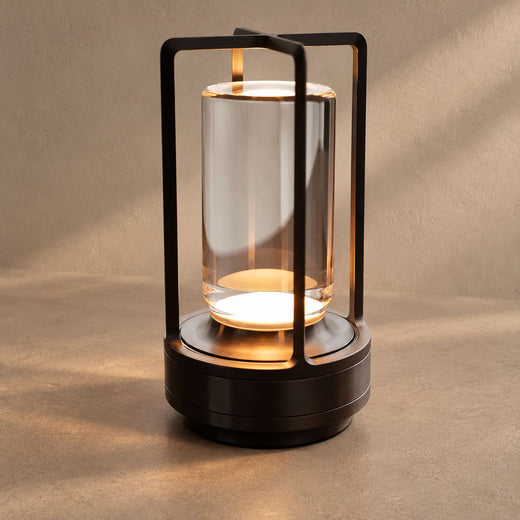
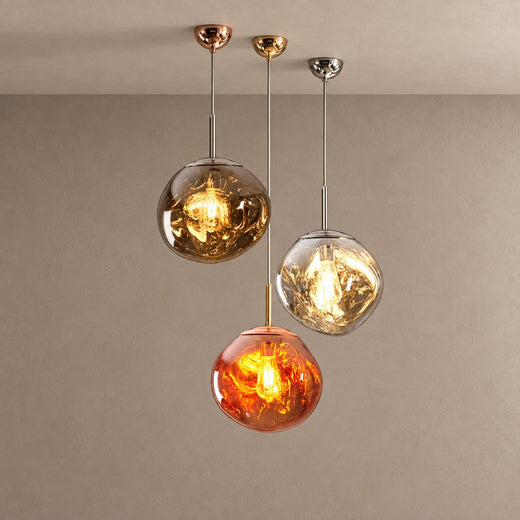
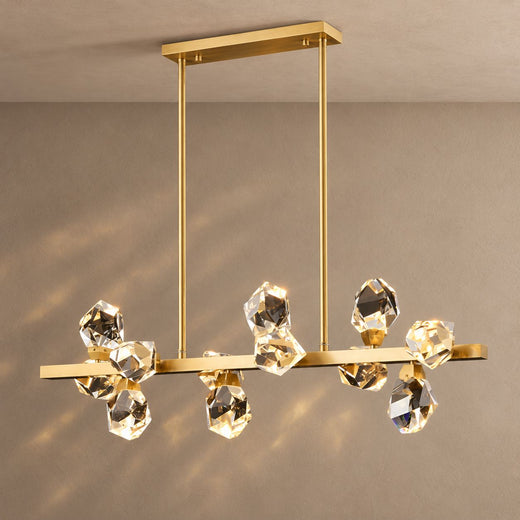
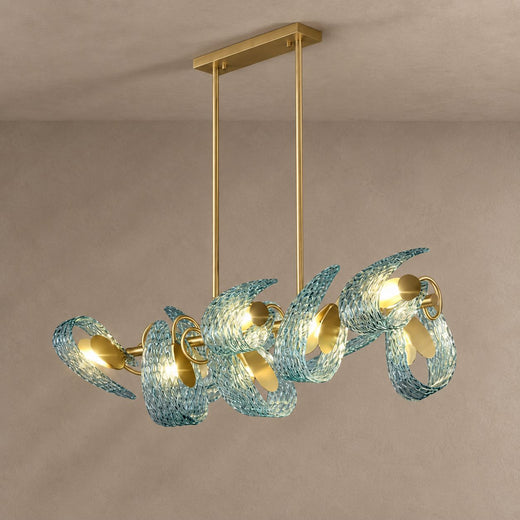
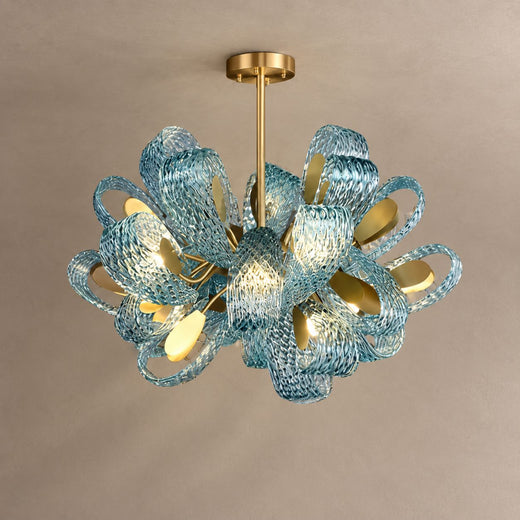
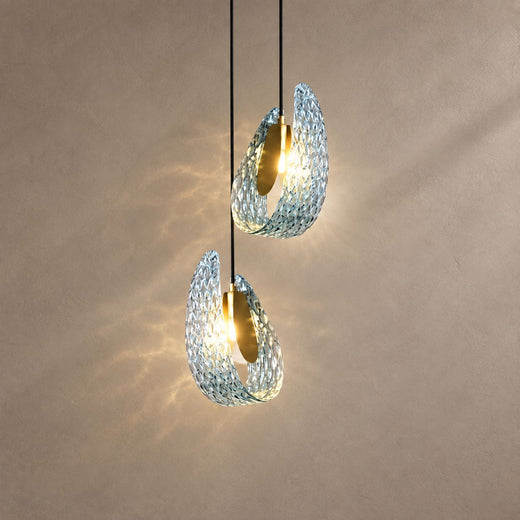
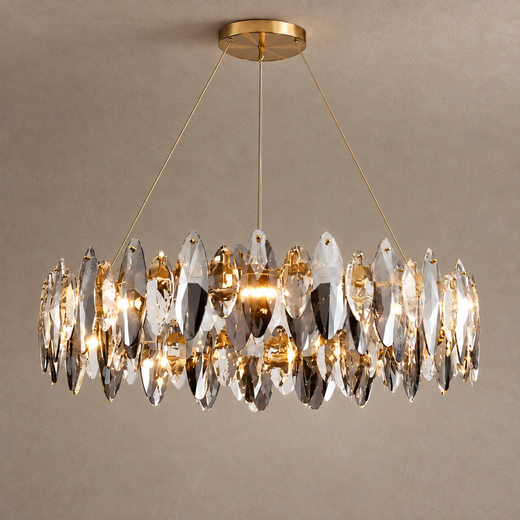
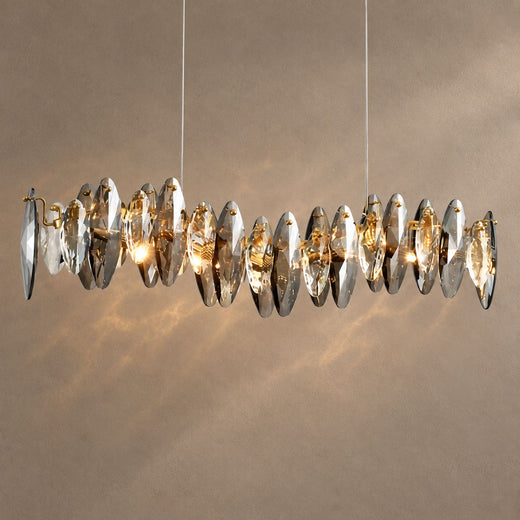
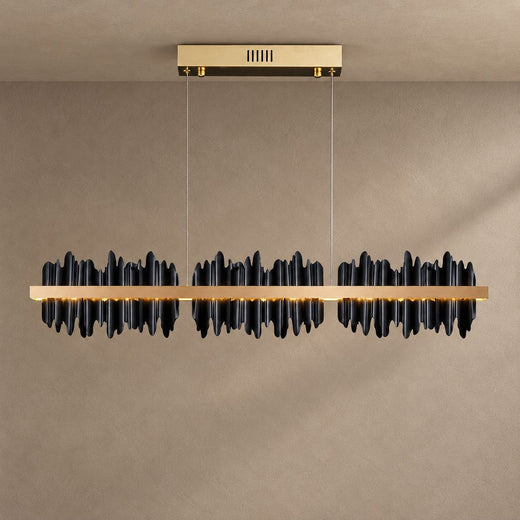
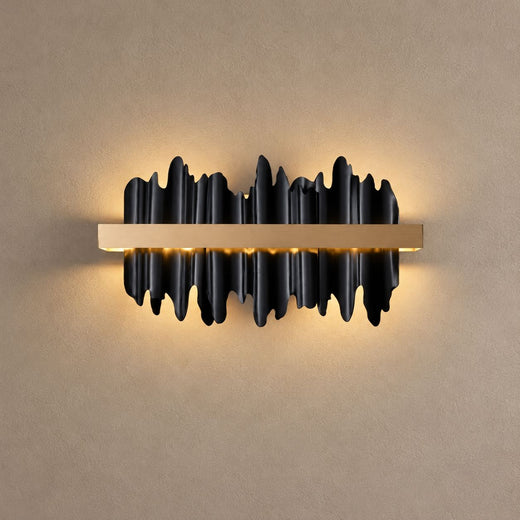
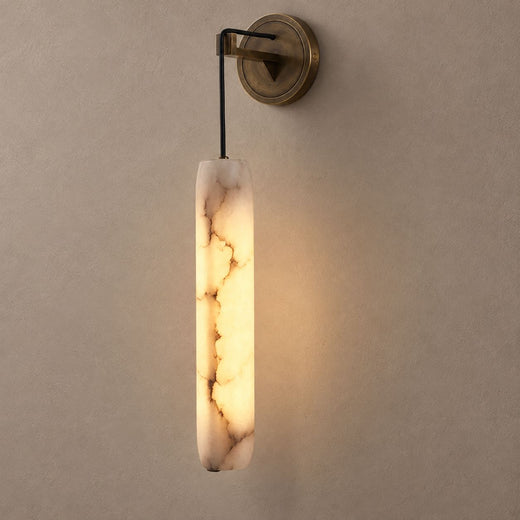
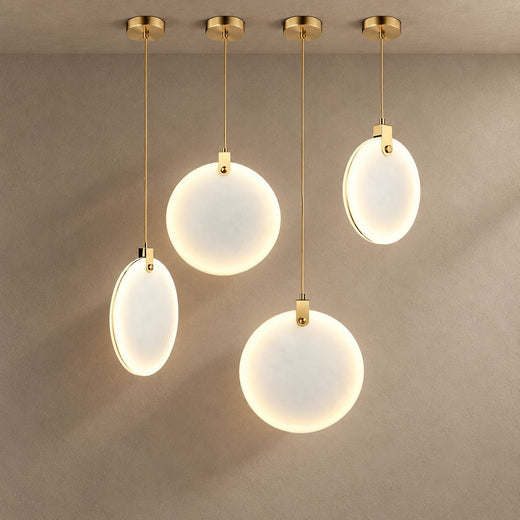
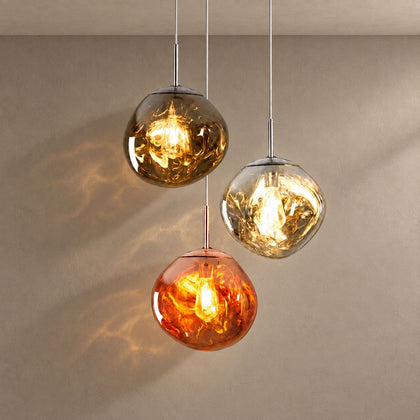
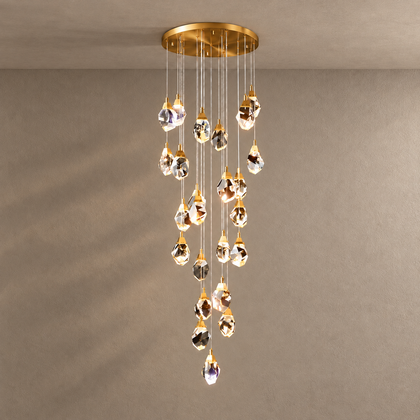
The decorative traditions of East and Southeast Asia have produced some of the world's most sophisticated approaches to material, pattern, and the use of light as a design element—from the paper lantern traditions of Japan to the lacquer and crystal forms of Chinese decorative art, to the intricate metalwork of Southeast Asian design. Our Oriental collection draws from this breadth. LIKANA's vertical silhouette fuses black onyx, metallic gold, and K9 crystal into a form that carries the authority of both East Asian lacquer traditions and contemporary sculptural design. CALIRA's mulberry paper lanterns continue Isamu Noguchi's Akari tradition—a Japanese design practice based in the fishing village of Gifu that has been producing paper light sculptures since 1951. ENCHANTED's botanical K9 crystal structure evokes the intricate metalwork and precious-material decorative traditions of Chinese imperial design.
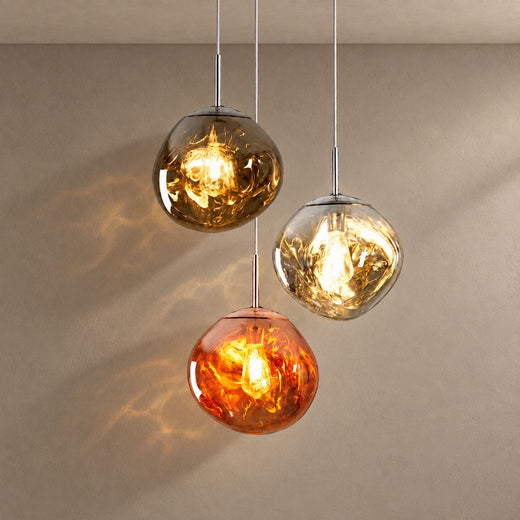
- Rich material combinations: Gold, black, K9 crystal, natural paper, lacquer, and copper—the material vocabulary of East Asian decorative tradition applied to contemporary lighting.
- Intricate and layered forms: Detail that rewards close examination—the kind of depth that flatly geometric fixtures can't achieve.
- Warm light emphasis: Most Oriental-range fixtures are specified in warm white—the colour temperature that complements gold, amber, and the warm tones of East Asian material traditions.
- Suited to global, eclectic, and maximalist interiors: Oriental lighting works in any interior that embraces richness, layering, and the coexistence of references from multiple traditions.
Why Oriental Design Is More Relevant Than Ever
- The global interior: Contemporary interior design is increasingly pluralist—homes that combine Scandinavian restraint with Japanese Wabi Sabi, Mediterranean materiality with East Asian decorative richness. Oriental lighting sits naturally in this mix—it contributes depth and cultural richness without requiring a stylistically consistent surrounding.
- The warmth of craft: Noguchi's Akari lanterns are hand-made from mulberry paper on iron frames by craftspeople in Gifu, Japan. The warmth that a paper lantern creates—diffuse, honey-coloured, human-scale—is not replicable by any other material or manufacturing process.
- Crystal with a cultural context: Where post-modern crystal pieces use K9 crystal for structural and sculptural effect, Oriental crystal pieces use it within a decorative tradition that values crystal as a precious material with symbolic significance—clarity, purity, light.
- Layering with Wabi Sabi: The Wabi Sabi and Oriental traditions emerge from overlapping cultural contexts—both value natural materials, imperfection, and the beauty of craft. Pieces from both collections coexist naturally, creating interiors that feel genuinely influenced by Japanese and East Asian design thinking rather than superficially referencing it.
Oriental With Other Collections
- Wabi Sabi: overlapping cultural traditions—both value imperfection, natural materials, and the role of light in creating warmth
- Crystal Collection: many Oriental pieces incorporate K9 crystal—the two collections share pieces and design language
- Post-Modern: both embrace complexity, layering, and materials used with intention—post-modern and Oriental pieces can coexist in the same interior
- Sculptures: East Asian decorative objects—ceramic, lacquer, stone—complete the Oriental lighting scheme and ground the fixtures in a broader material narrative
Explore Oriental Lighting
Signature Pieces: LIKANA | CALIRA | ENCHANTED
By Room: Living Room | Dining Room | Staircase | Bedroom
Related Collections: Wabi Sabi | Crystal Collection | Post-Modern
Shop: All Oriental | Best Sellers
How to Choose Oriental Lighting
- Warm white is essential: Gold, black, and crystal in Oriental fixtures are optimised for warm white (2700–3000K). Cool white light reduces the warmth of gold tones and makes crystal appear colder and more clinical. Warm white maximises the richness of the material palette.
- Consider the surrounding palette: Rich earth tones—terracotta, ochre, jade, deep navy—amplify the Oriental aesthetic. Neutral backgrounds (white or cream walls) allow the fixture to carry the colour entirely on its own. Both work; choose based on whether the room's identity comes from the fixture or the room as a whole.
- Restraint in the surround: Oriental pieces carry significant visual weight. In a room with an Oriental chandelier, surrounding furniture, wall treatments, and accessories should be simpler—the fixture is the decorative statement, not one element among several competing ones.
- Match the cultural register: Noguchi/Akari paper lanterns suit interiors with a Japanese or Japandi influence—natural materials, quiet forms, deliberate imperfection. Crystal and gold pieces suit interiors with a richer, more decorative Chinese or global eclectic influence. Matching the piece to the room's cultural register produces more coherent results.