











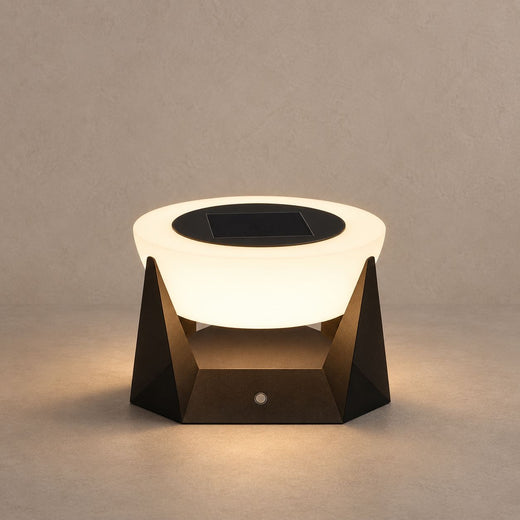

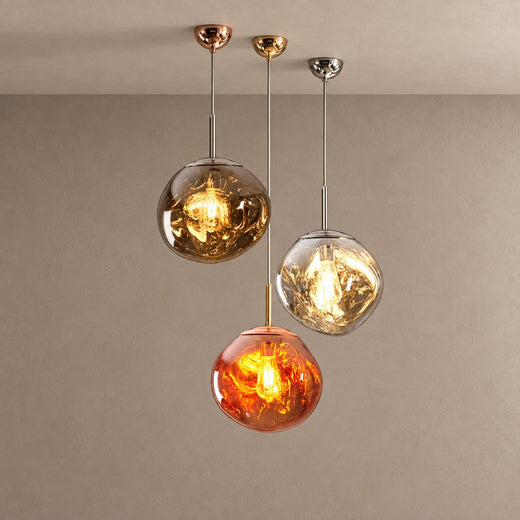
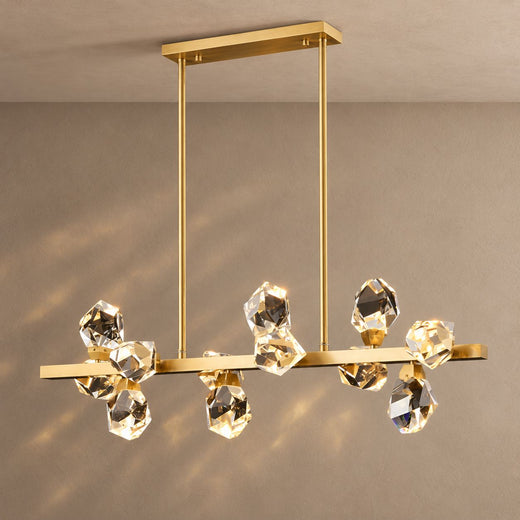
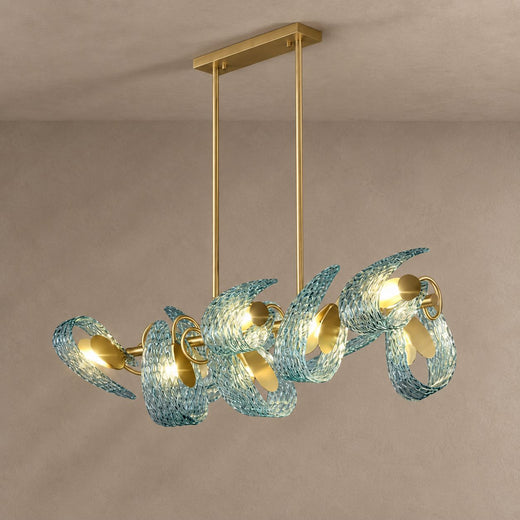





Post-Modern
The Fixture That Commands a Room
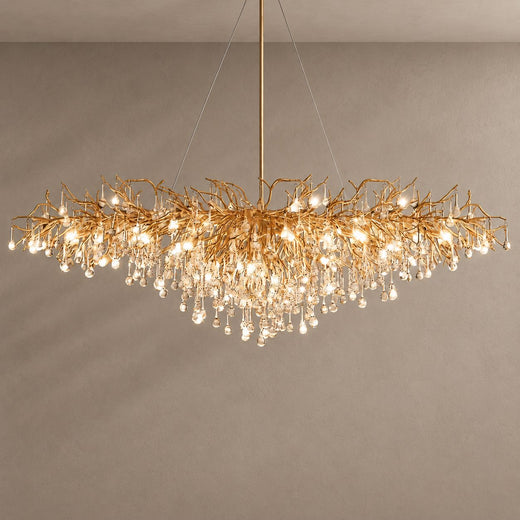
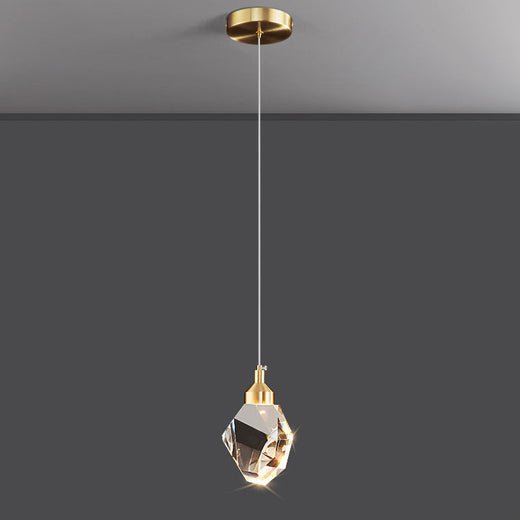
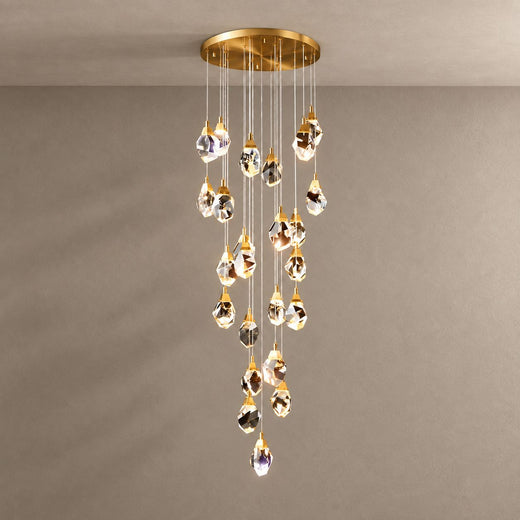
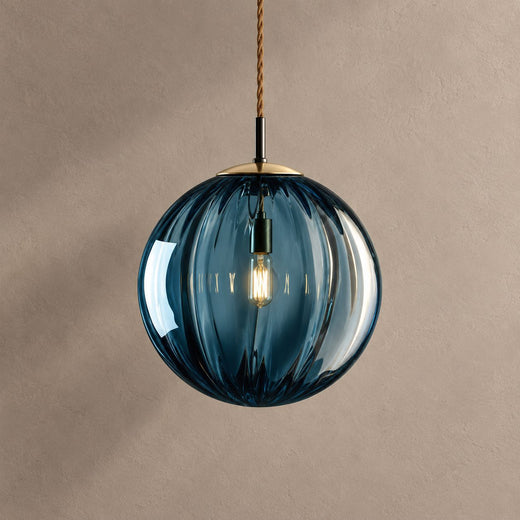
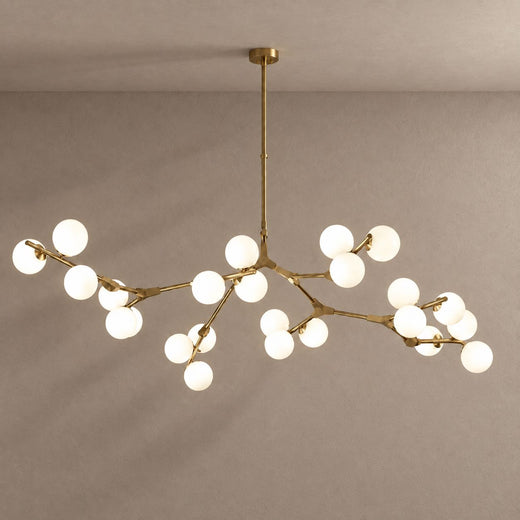
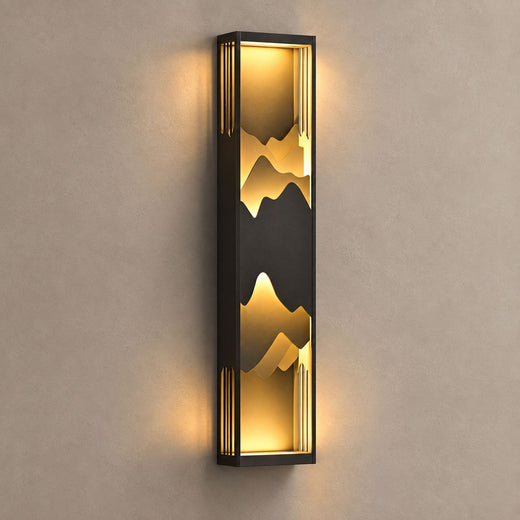
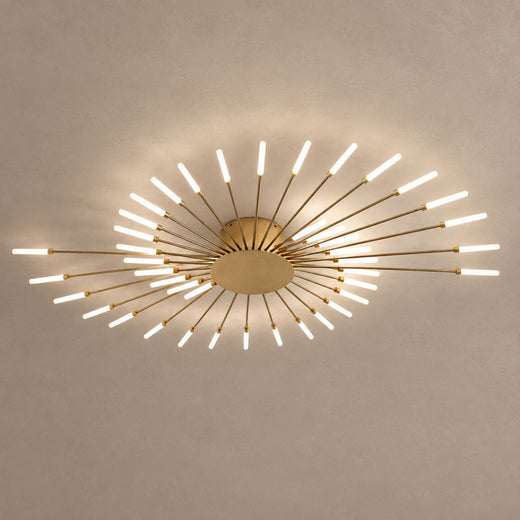
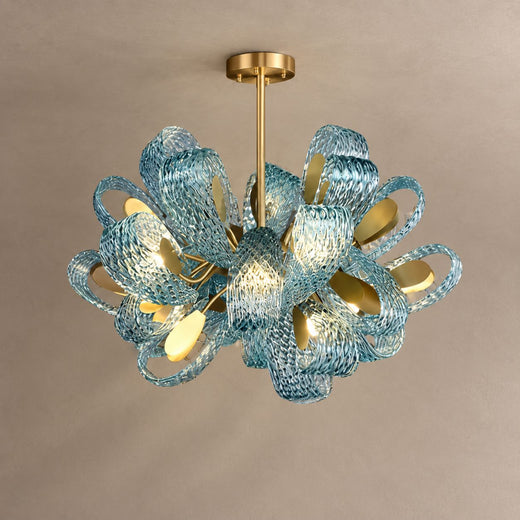
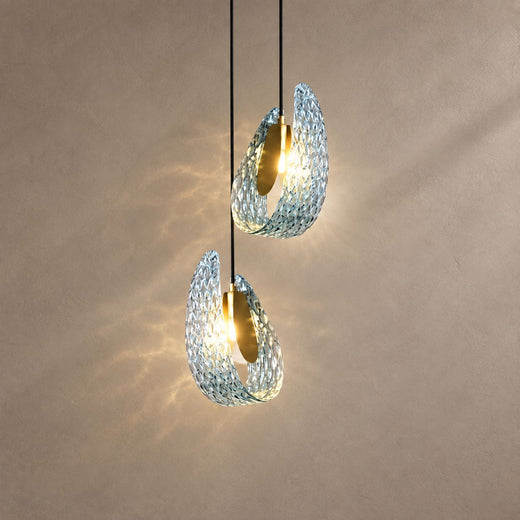
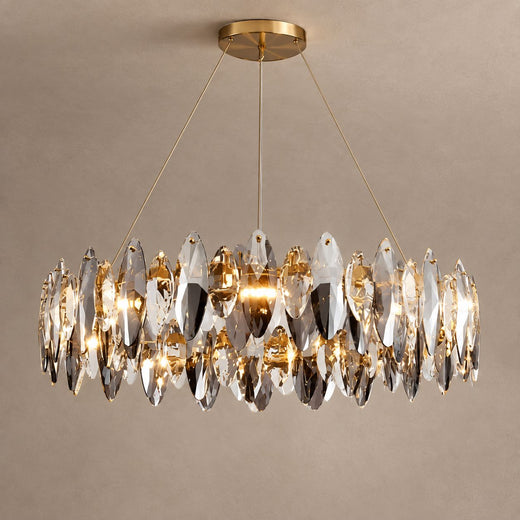
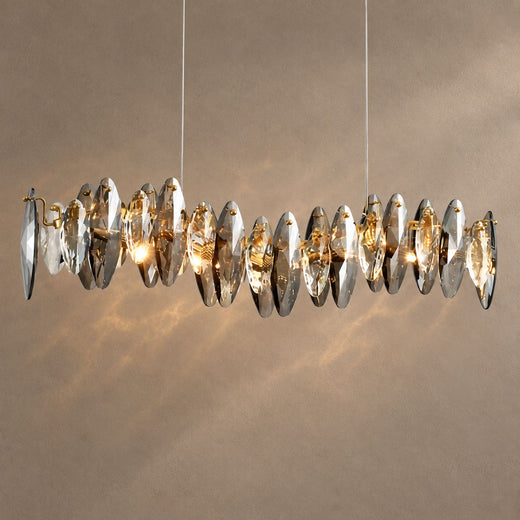
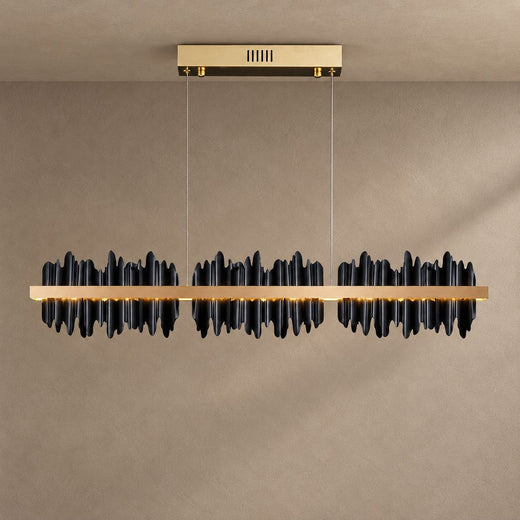
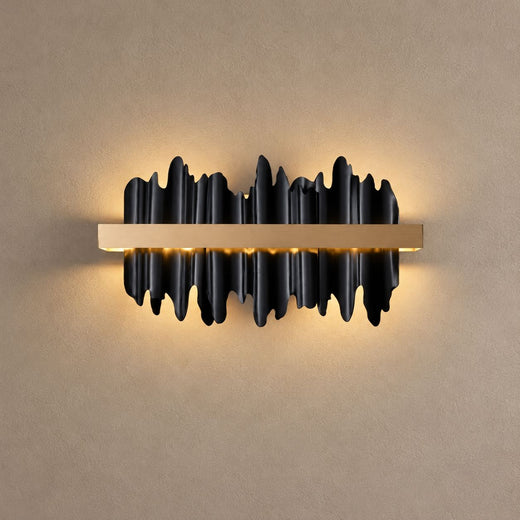
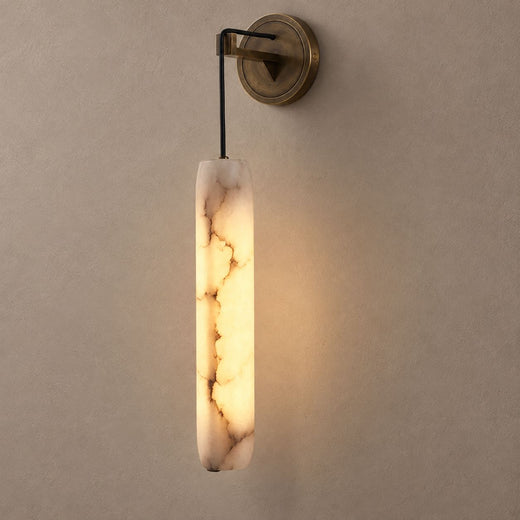
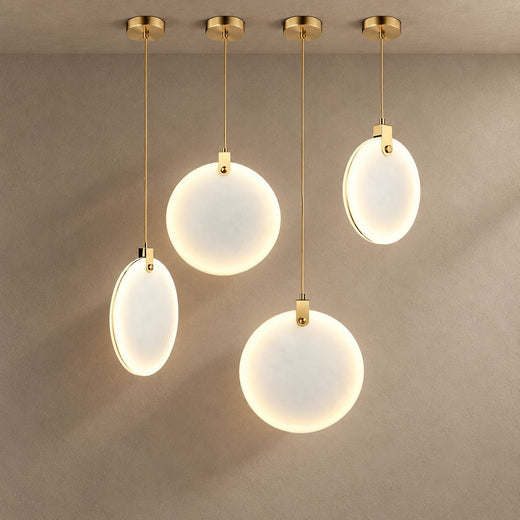
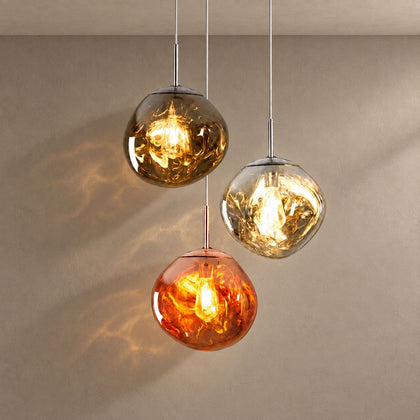
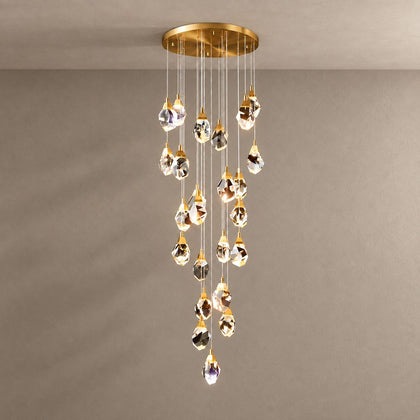
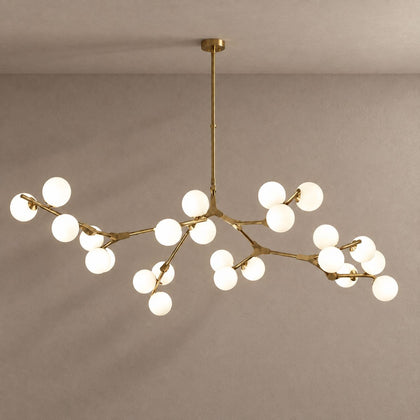
Post-modern design doesn't apologise for itself. Where minimalism removes and Scandinavian restrains, post-modern adds, layers, and sometimes contradicts—deliberately. A fixture from our Post-Modern collection is not a background piece. OPUS is a symphony of interlocking stainless steel rings in 3- or 5-ring configurations—a kinetic sculpture that reads differently from every angle. FLOS is a spiral cluster of glass spheres that creates warmth through deliberate repetition and slight asymmetry. LIKANA fuses black onyx, metallic gold, and K9 crystal into a vertical silhouette that refuses to be anything other than the centre of attention. These are fixtures for rooms—and for people—that have something to say.
- Sculptural forms: Unusual proportions, unexpected material combinations, and forms that challenge what a light fixture is supposed to look like.
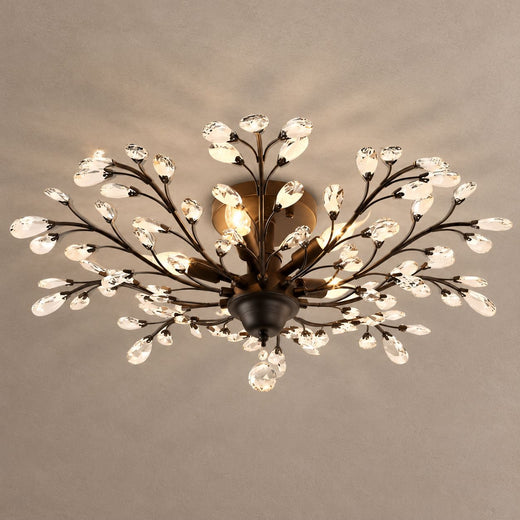
- Materials at their limits: Interlocking stainless steel rings, K9 crystal clusters, black onyx combined with metallic gold, glass sphere arrays—materials used in ways that standard fixture design avoids.
- Multiple finishes and scales: Most post-modern pieces offer size and finish options—scale to the room, finish to the broader interior.
- For high-ceilinged spaces: Post-modern fixtures lose their impact in low-ceilinged rooms where their scale and visual complexity can't be appreciated. Rooms with 10 feet and above are where they perform best.
Why Post-Modern Lighting Changes a Room
- The focal point that organises everything else: In a room with a post-modern chandelier, every other design decision responds to it—furniture arrangement, wall treatment, art placement. The fixture becomes the room's anchor rather than an accessory to other decisions.
- Drama with purpose: Post-modern design is theatrical but not gratuitous—the form serves the idea. OPUS's interlocking rings create visual rhythm that references kinetic sculpture. FLOS's sphere cluster creates warmth through proximity and repetition. The drama is intentional.
- One bold piece, everything else quiet: The rule for post-modern fixtures in domestic interiors is consistent: one statement piece, and everything around it restrained. A post-modern chandelier in a room with restrained minimalistic wall sconces and a simple floor lamp is a strong design decision. Five competing statement pieces is chaos.
- Commercial and hospitality specification: Post-modern fixtures are particularly effective in restaurant, hotel lobby, and retail environments where visual impact and the creation of a lasting impression are part of the brief.
Post-Modern With Other Collections
- Crystal Collection: many of our post-modern pieces incorporate K9 crystal—the two collections share significant overlap and are designed to be used together
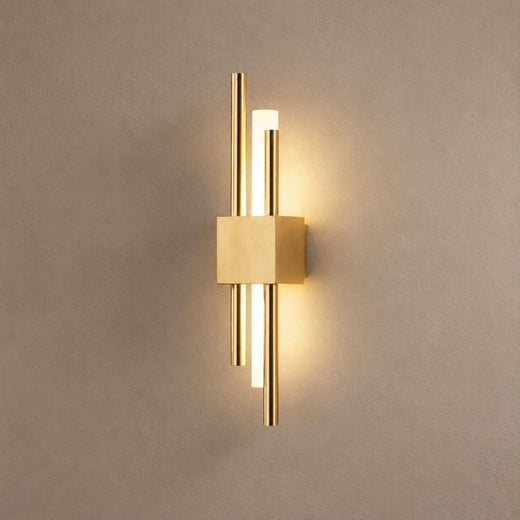
- Minimalistic: a post-modern overhead fixture with minimalistic wall sconces is one of the most effective domestic lighting combinations—statement without excess
- Metropolitan: post-modern pieces in commercial and urban contexts sit within the Metropolitan aesthetic—design-forward, urban, unafraid
- Staircase: the staircase void is where post-modern fixtures perform at their best—the vertical volume gives the form space to be fully appreciated
Explore Post-Modern Lighting
Signature Pieces: OPUS | FLOS | LIKANA | ENCHANTED | HALO ALU
By Room: Staircase | Living Room | Dining Room
Related Collections: Crystal Collection | Metropolitan | Chandeliers
Shop: All Post-Modern | Best Sellers | On Sale
How to Choose Post-Modern Lighting
- Ceiling height is the starting point: Post-modern fixtures need vertical space to perform. Confirm your ceiling height before selecting—most pieces in this collection require 10 feet and above to read correctly. For staircase applications, 15–25 feet is the sweet spot.
- One piece per room: This is not a recommendation—it's a rule for post-modern fixtures in domestic interiors. The drama requires a frame of restraint around it. Choose one statement piece and let it work.
- Scale to the bold side: Post-modern fixtures are designed to be noticed. A post-modern chandelier that's slightly larger than your instinct tells you is almost always the better choice. These pieces are meant to fill space, not inhabit it cautiously.
- Pair with architectural confidence: Post-modern lighting performs best in rooms with strong architectural character—high ceilings, interesting volumes, or bold material choices. In a room with no architectural identity, the fixture risks floating without context.