





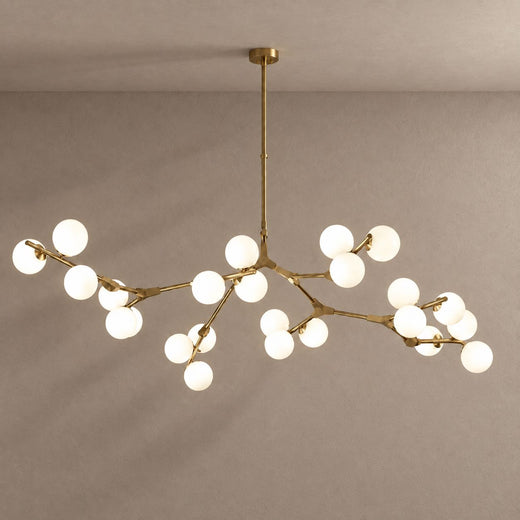
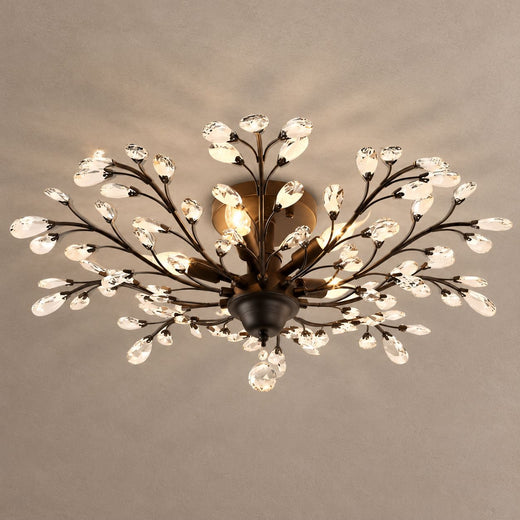


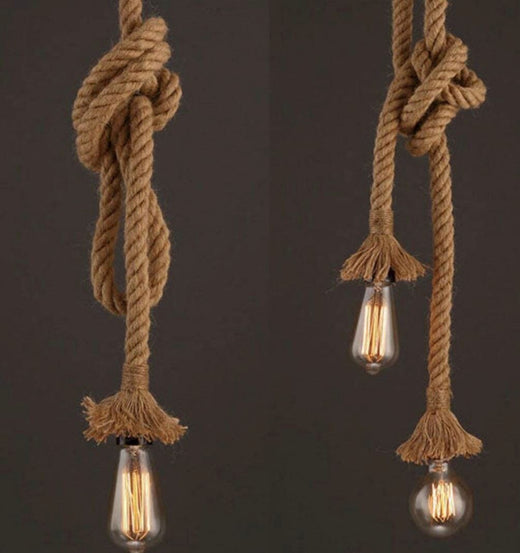

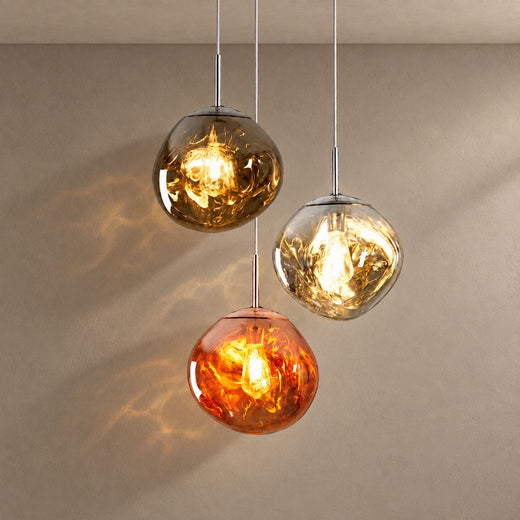

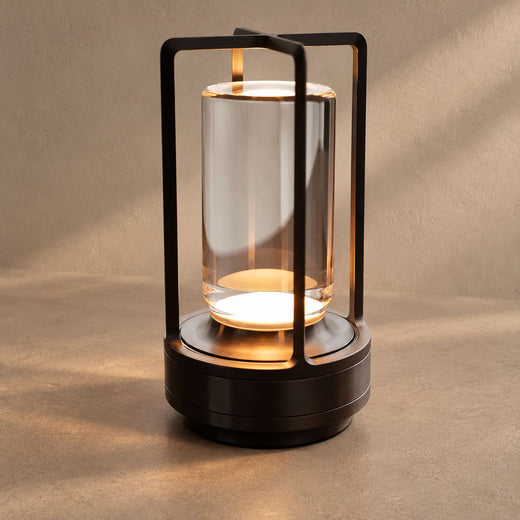
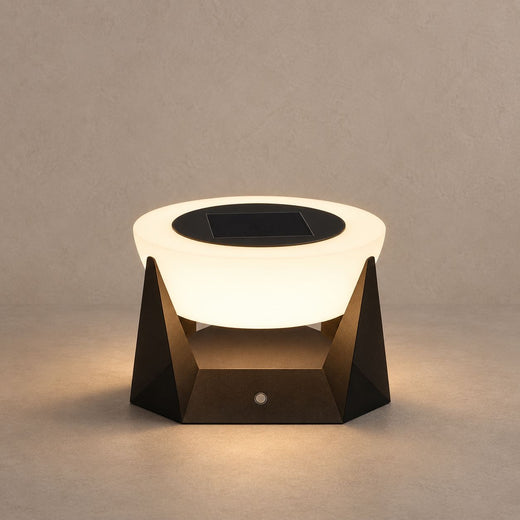

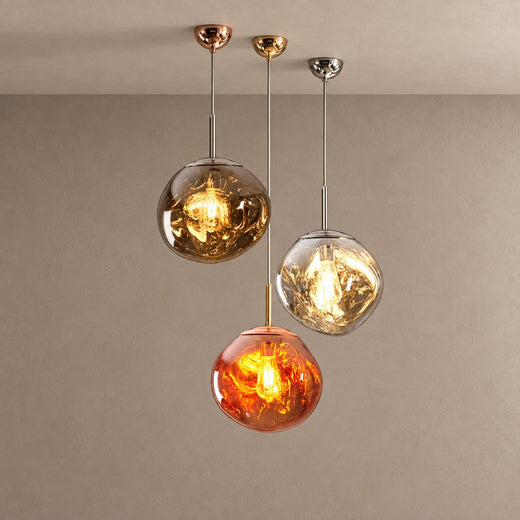
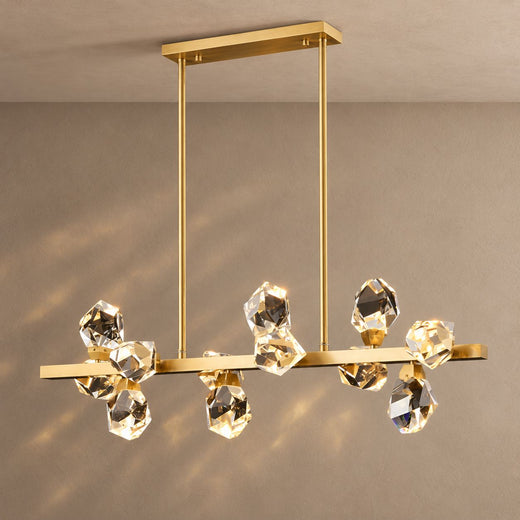
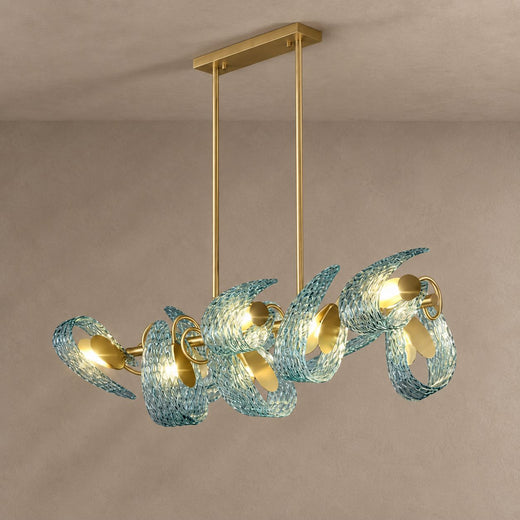
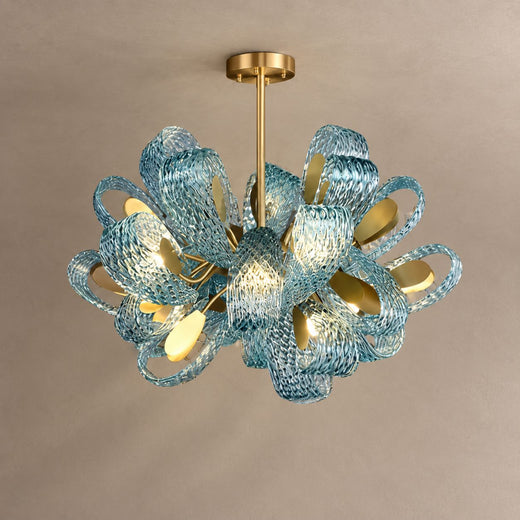
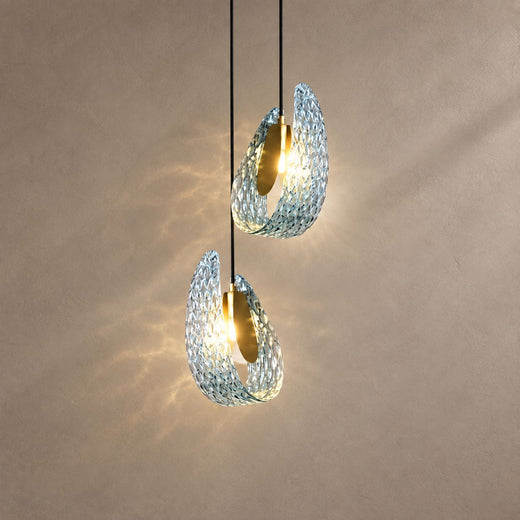
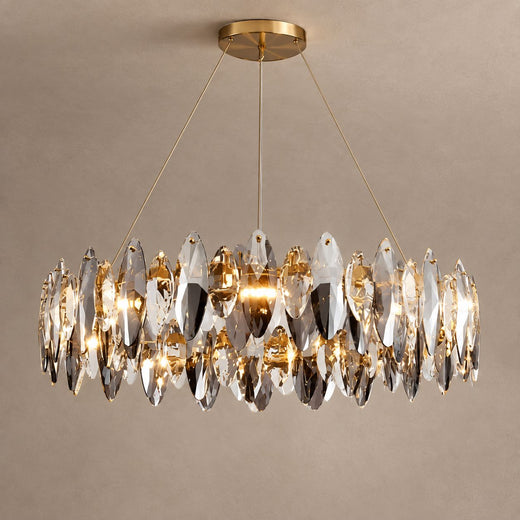




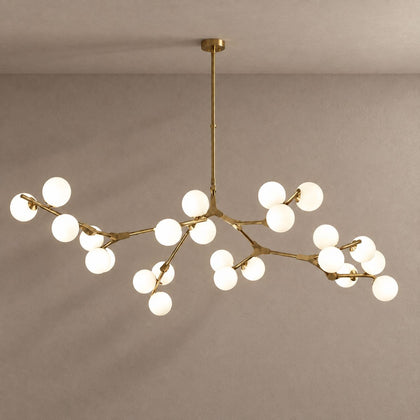

Vintage
The 20th Century's Best Ideas, Reimagined
The great lighting designers of the 20th century were solving problems that haven't changed: how to create warmth in a domestic space, how to make a floor lamp that doesn't look like an afterthought, how to produce a ceiling light that reads as sculpture rather than appliance. Our Vintage collection returns to these solutions and rebuilds them with modern LED technology and current manufacturing standards. RAYVEN reimagines Serge Mouille's 1958 Three Arm Ceiling Lamp—the original hangs in MoMA; ours hangs in your living room. VIREX reinterprets the Caprani bentwood floor lamp of the 1970s in beech wood and linen. CALIRA draws from Isamu Noguchi's Akari paper lantern series, handmade from mulberry paper on iron frames since 1951. None of these are reproductions—they are continuations.
- Design eras represented: 1950s French design (Serge Mouille), 1950s–70s Japanese paper lantern (Noguchi/Akari), 1970s Scandinavian bentwood (Caprani).
- Modern LED technology: Whether integrated LED or E26/E27 socket compatible, all vintage-style pieces are specified for LED use—which provides the warm, lower-lumen output the aesthetic requires.
- Materials: Powder-coated steel, beech wood, mulberry paper, linen, fabric shades. The original materials of the originals, faithfully continued.
- Finishes: Matte black, white, natural beech, cream—the palette of mid-century design.
Why Vintage Lighting Belongs in Contemporary Homes
- The classics are classic for a reason: Mouille's Three Arm lamp is considered one of the finest objects of 20th-century French design. Noguchi's Akari lanterns have been in continuous production since 1951. These forms have survived decades of changing taste because they are genuinely well-designed—not because they're fashionable.
- Warmth in contemporary interiors: A contemporary interior built entirely of current furniture and fixtures can feel complete but cold. A single vintage-inspired floor lamp or pendant introduces the warmth and character—the sense of time having passed through a space—that new objects can't provide.
- The contrast that makes both better: A Noguchi-inspired paper lantern pendant above a contemporary concrete dining table. A Mouille-style ceiling lamp in a white minimal living room. A bentwood floor lamp beside a modern upholstered sofa. Each makes the other better by contrast.
- Investment value: Designs that have survived for 50–70 years are not going to feel dated in five. Purchasing a vintage-inspired piece is a longer-term lighting investment than buying a trend-forward fixture.
Pairing Vintage With Other Collections
- Scandinavian: the two traditions share overlapping DNA—Nordic modernism of the 1950s–70s is the foundation for both our Scandinavian and Vintage ranges. They mix without conflict.
- Minimalistic: a vintage floor lamp in a minimalist room provides the warmth and character that pure geometric minimalism lacks on its own.
- Wabi Sabi: paper lantern pieces like CALIRA sit within both the Vintage and Wabi Sabi traditions—natural materials, organic form, visible craft.
- Sculptures: in a vintage-inspired interior, a sculptural object from the same mid-century tradition completes the room in a way that contemporary accessories cannot.
Explore Vintage Lighting
Signature Pieces: RAYVEN | VIREX | CALIRA
By Room: Living Room | Office | Dining Room | Bedroom
Related Collections: Scandinavian | Minimalistic | Wabi Sabi
Shop: All Vintage | Best Sellers | New Arrivals
How to Choose Vintage Lighting
- Choose an era: Mouille (1950s French, powder-coated steel, dramatic arm structures) suits rooms with architectural confidence. Noguchi/Akari (1950s–70s Japanese, mulberry paper, soft organic forms) suits rooms with natural materials and warmth. Caprani bentwood (1970s Scandinavian, beech wood, woven shades) suits rooms with warm timber and textile interiors.
- Warm light is mandatory: All vintage-style fixtures should be used with warm white LED (2700–3000K). The aesthetic of mid-century lighting is inseparable from warm, incandescent-equivalent light quality. Cool white makes vintage forms feel incongruous.
- One vintage piece per room: The power of a vintage-inspired fixture in a contemporary interior comes from the singular contrast it creates. Multiple vintage-inspired pieces in the same room starts to feel like a set rather than a home.
- These are not reproductions: Our vintage pieces are reinterpretations manufactured to current safety standards. They are not original vintage items. If originality and provenance are important to you, seek original pieces through appropriate channels.