









Living Room Lighting
Built for Everything the Room Has to Do
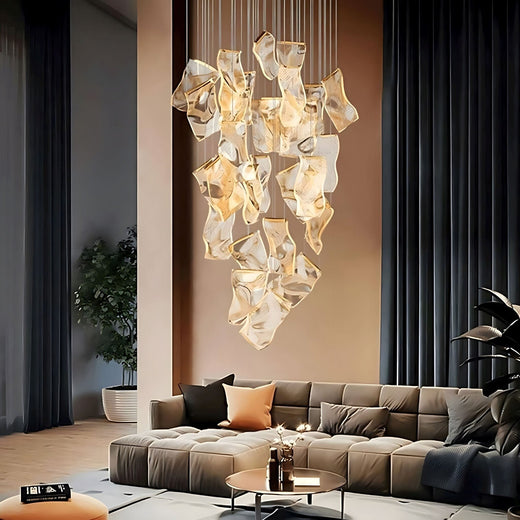
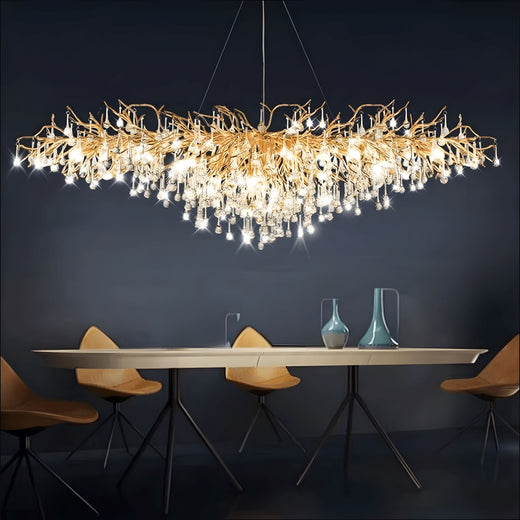
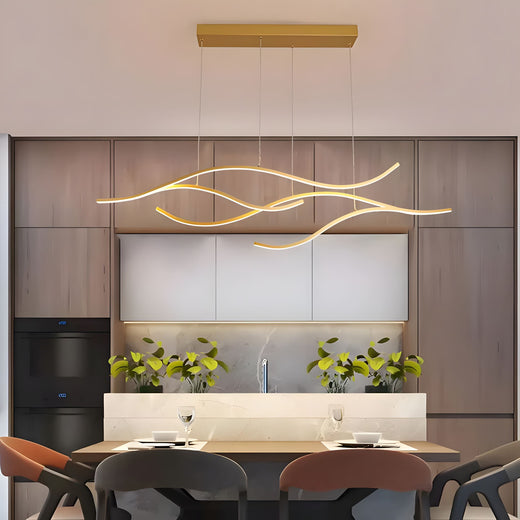
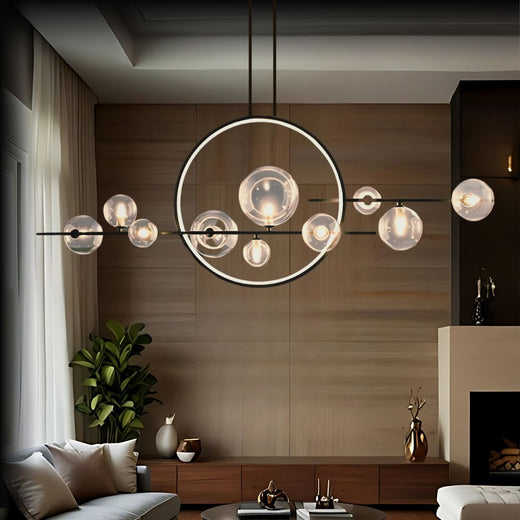
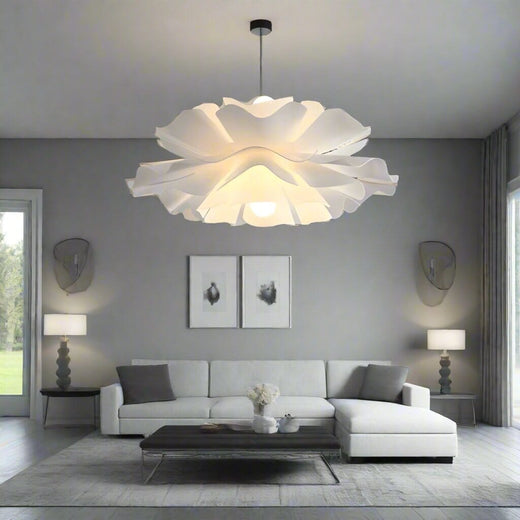
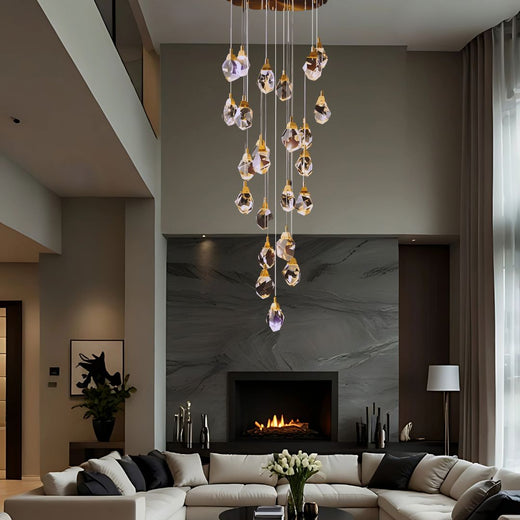
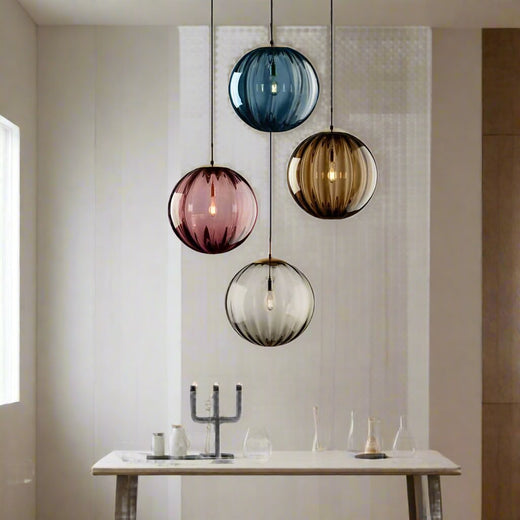
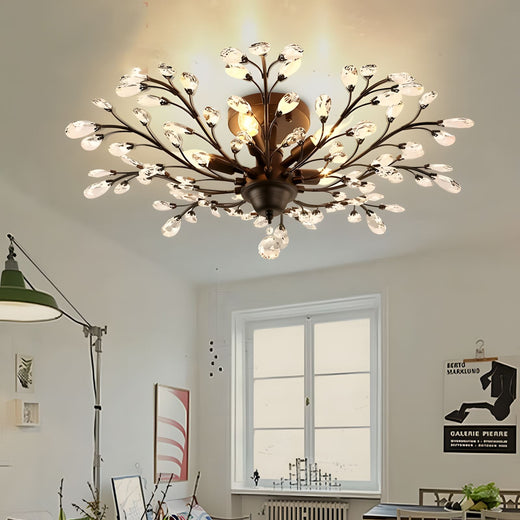
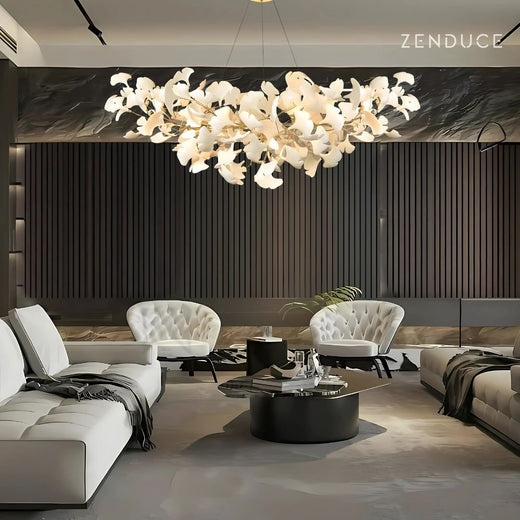
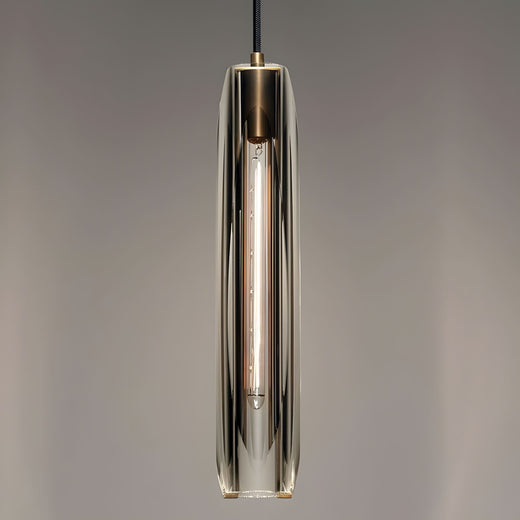
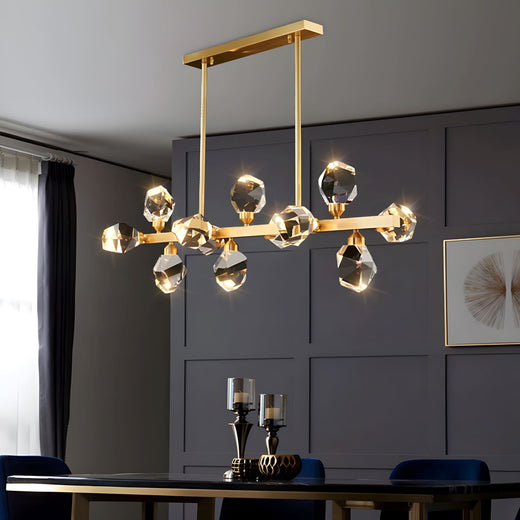
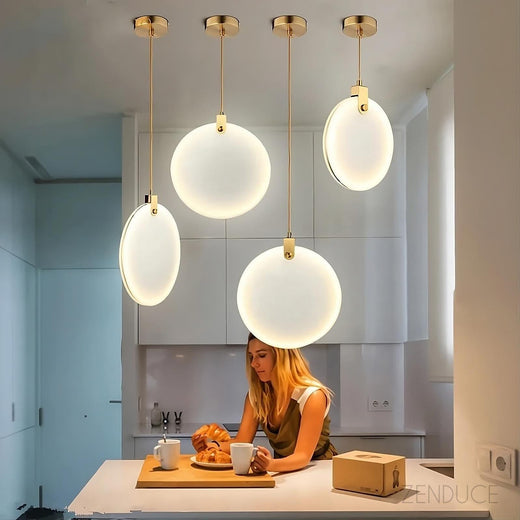
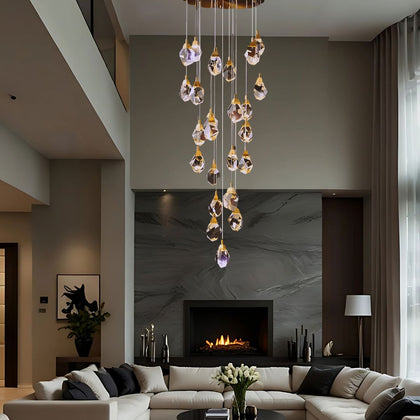
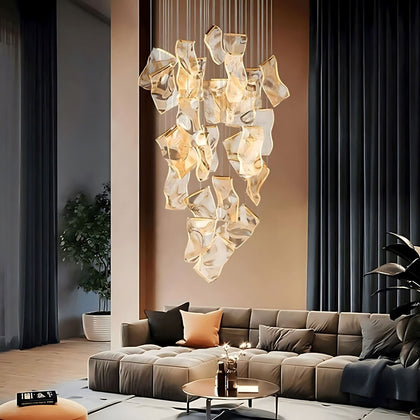
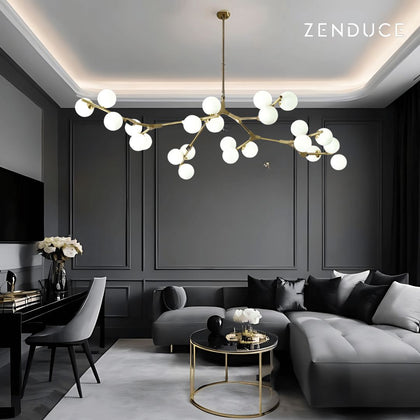
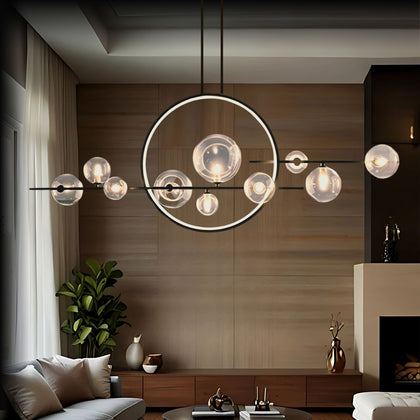
The living room is the most demanding lighting environment in a home. It needs to be bright enough for reading, dim enough for films, warm enough for conversation, and dramatic enough for the moments when guests arrive for the first time. Our living room lighting collection covers the full range of what this requires—statement chandeliers and pendants for the overhead layer, wall sconces for the mid-level layer, and floor and table lamps for the ground layer. Pieces like OPUS, ENCHANTED, BLOOM, and SYCAMORE are all equally at home in a well-considered living room. The question is which layer needs addressing first.
- Three layers: Overhead (chandelier, pendant, or ceiling light), mid-level (wall sconces), and ground (floor and table lamps). All three together produce a living room that feels genuinely designed.
- Dimmability is non-negotiable: In a room that transitions between so many different moods and activities, every light source should be independently dimmable. RC Dimmable and Dimmable variants are marked on each product page.
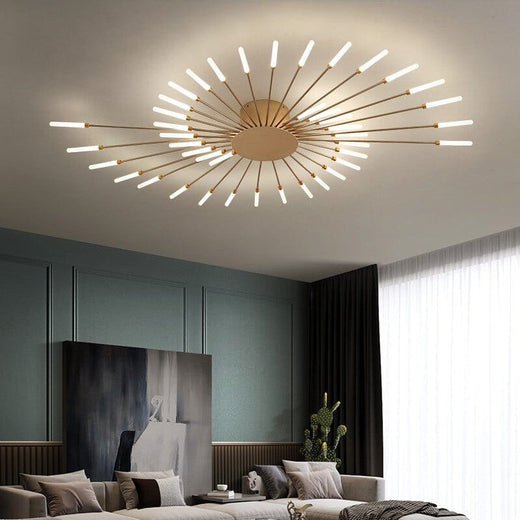
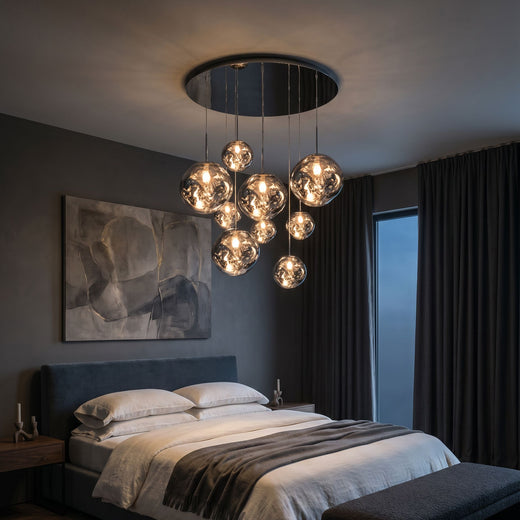
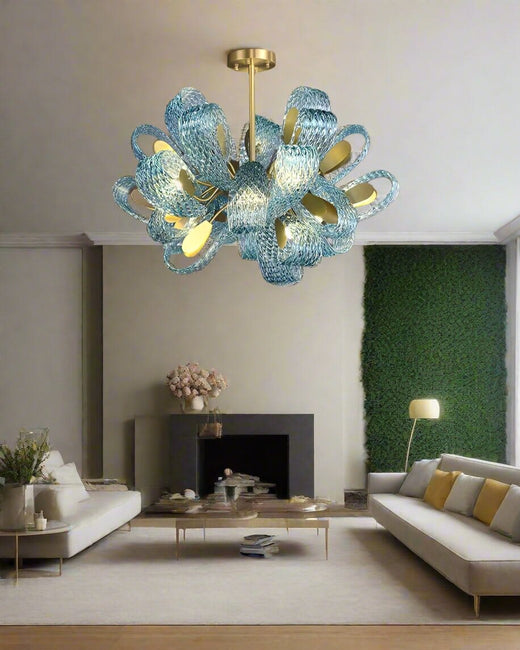
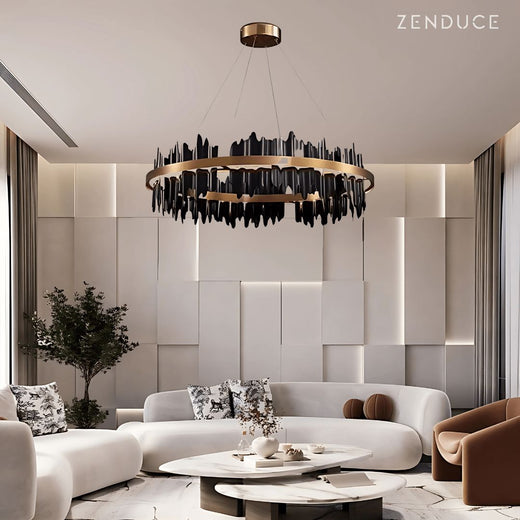
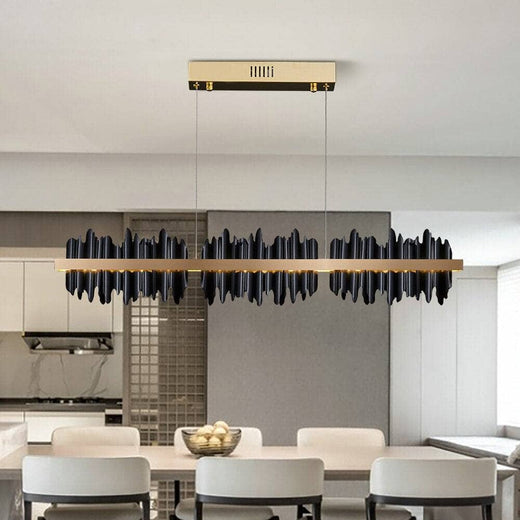
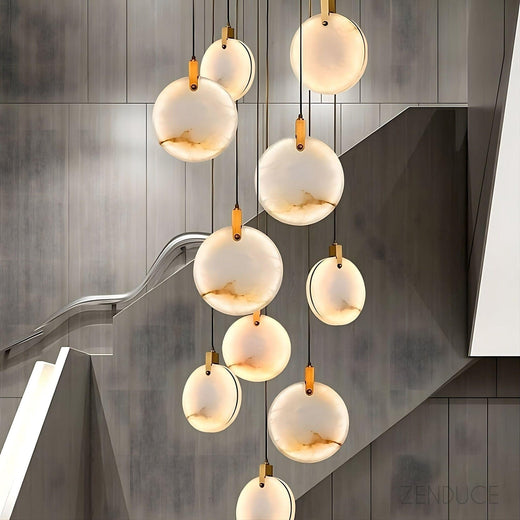
- Statement overhead: In living rooms with enough ceiling height, a chandelier or large pendant becomes the room's defining feature—the piece everything else in the room responds to.
- Scale up: Living rooms are generally the largest rooms in a home. Fixtures that would overscale a bedroom or hallway often sit correctly in a living room. When in doubt, go larger.
How to Light a Living Room Properly
- Start overhead: Choose the chandelier or ceiling fixture first—it defines the room's style direction and creates the foundation the rest of the lighting scheme responds to. Browse the chandeliers and ceiling lights collections.
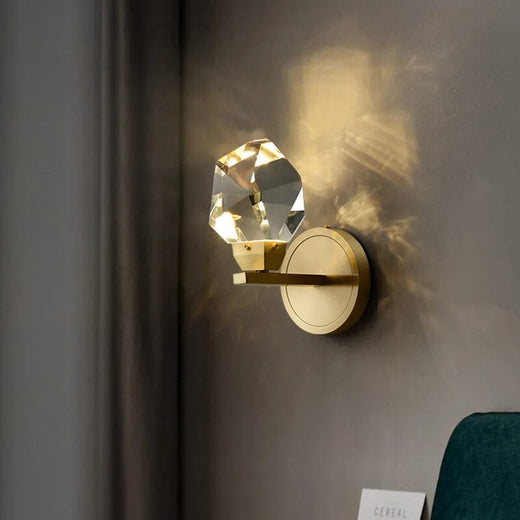
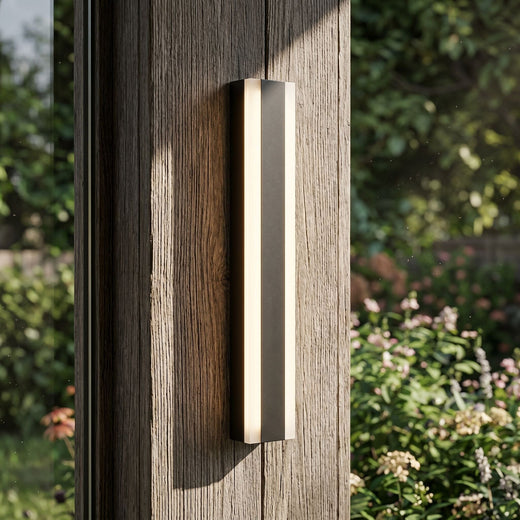
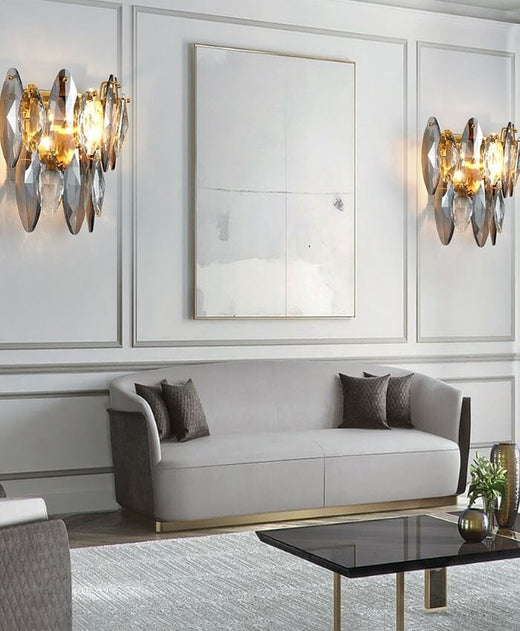
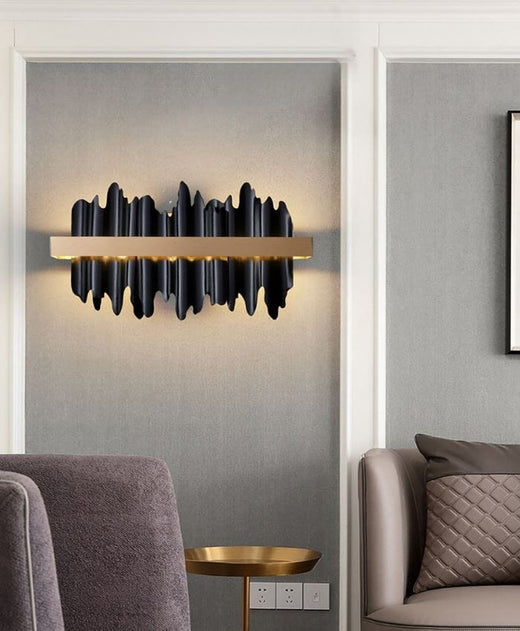
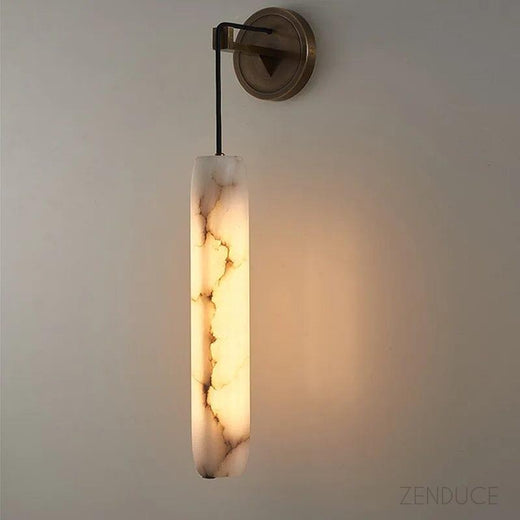
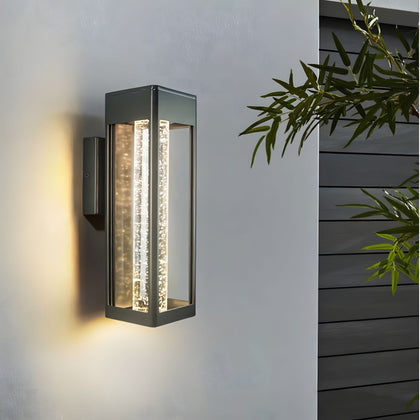
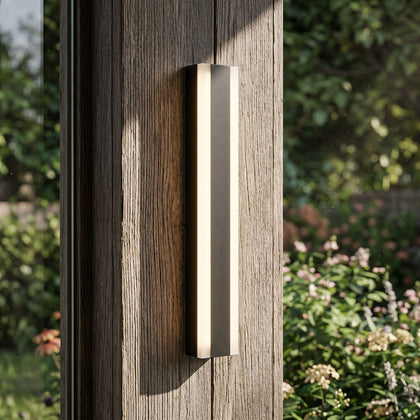
- Add the wall layer: Wall sconces on the walls adjacent to the seating area fill the shadows that an overhead source always creates. Position them at 60–66 inches from the floor—mid-wall, where they work hardest.
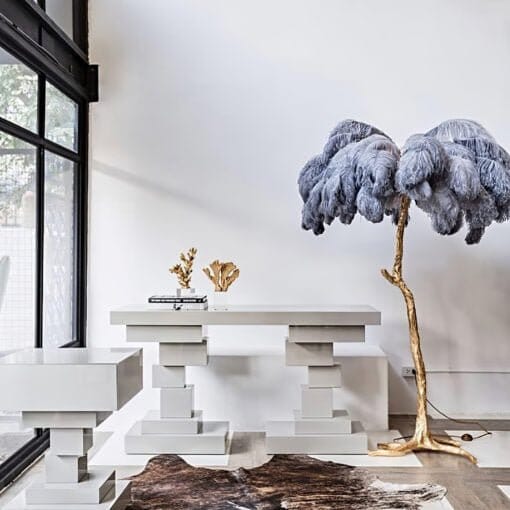
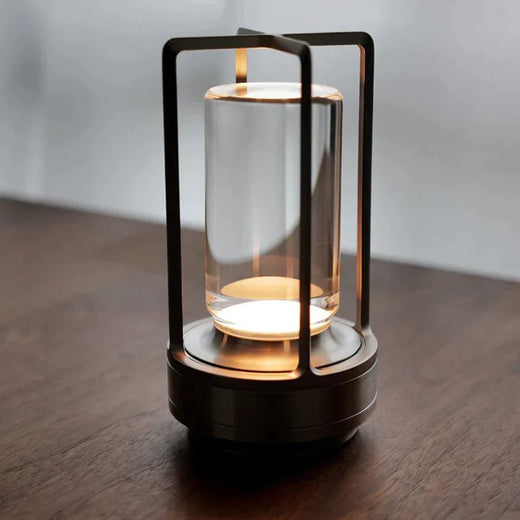
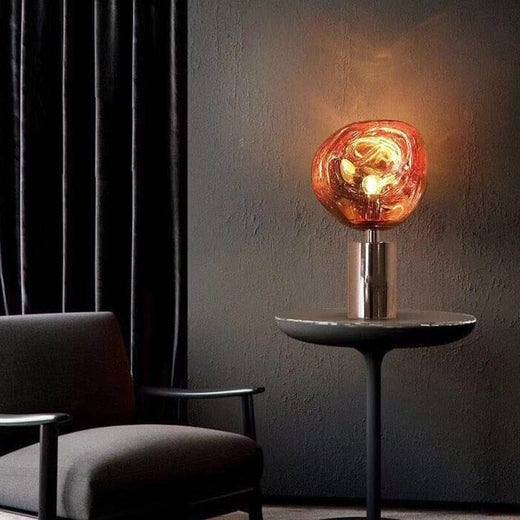
- Ground it with floor and table lamps: A floor lamp in the corner opposite the primary seating direction and a table lamp on a side table bring the lighting down to the level of the people in the room. This is the layer that makes a living room feel warm.
- Match finishes, not forms: Cohesion across multiple fixtures in the same room comes from consistent finish—all gold, all black, or all silver—not from matching shapes. A sculptural chandelier with a simple wall sconce in the same metal finish always looks intentional.
Living Room Lighting by Style
- Minimalistic: HALO ALU overhead, minimal brushed-steel wall sconce, simple floor lamp. Clean, restrained, effective.
- Scandinavian: SYCAMORE bubble chandelier, timber-and-fabric floor lamp, warm white throughout.
- Post-Modern: OPUS or FLOS as the statement overhead, everything else secondary and simple.
- Crystal: ENCHANTED or CRYSTAL ROCK GRAND overhead, crystal-accented wall sconces, low warm-white floor lamps.
Explore Living Room Lighting
Overhead: Chandeliers | Pendant Lights | Ceiling Lights
Wall Layer: Wall Lights
Ground Layer: Floor & Table Lights
By Style: Minimalistic | Scandinavian | Post-Modern | Crystal
Shop: All Living Room | Best Sellers | On Sale
How to Choose Living Room Lighting
- Chandelier diameter: Add room length + width in feet. That number in inches is your starting diameter. A 15' × 20' room suits a 35" chandelier as a baseline.
- Ceiling height guides drop: Every foot of ceiling height above 8 feet gives you approximately 3 inches of additional drop to work with. An 11-foot ceiling can carry a chandelier with a 9-inch rod; a 16-foot ceiling can accommodate a full staircase-scale pendant.
- Dim everything independently: The living room is the one space where being able to set each layer to its own level—overhead at 20%, wall sconces at 60%, floor lamp at 100%—makes the biggest practical difference. Plan for independent dimming circuits from the outset.
- Consider the view from the sofa: Unlike dining rooms where the fixture is viewed from a seated position at the table, living room chandeliers are often viewed from below and from various angles across the room. Choose a fixture that reads well from multiple directions.